Embarking on a weight loss journey can often feel daunting, but seeking weight loss help is a great first step towards achieving your health goals. Weight loss is not just about looking good; it brings many benefits, like improved energy levels, better heart health, and boosted self-esteem. With the right strategies, such as focusing on nutrition, exercise, and positive lifestyle changes, you can navigate this journey successfully. In this article, we’ll share practical tips to support you in your quest for effective weight management and lasting fat loss. Let’s get started!
Understanding Weight Loss and Its Importance
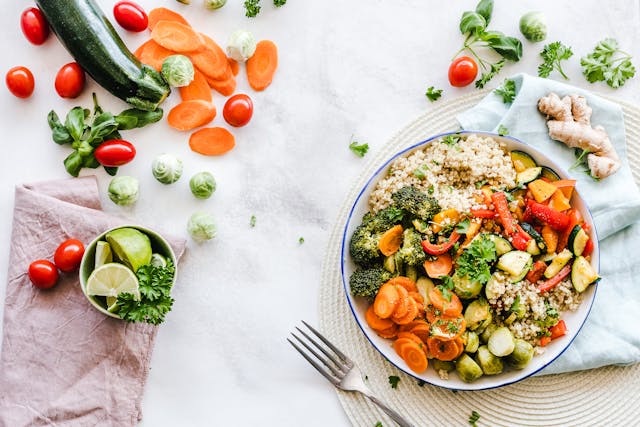
What is Weight Loss and Why is it Important?
Weight loss is the process of reducing body weight, usually by losing fat. It’s not just about looking good in your clothes; it brings many benefits that help you feel better inside and out. When you lose weight, you often improve your overall health.
For example, losing weight can boost your metabolism, which helps your body burn calories more efficiently. This means you can enjoy more of your favorite healthy foods without worrying as much about gaining weight. Additionally, being at a healthy weight can lower your risk of heart problems, making your cardiovascular health stronger. Plus, losing weight can lift your self-esteem, helping you feel more confident in your daily life.
The Health Impact of Weight Loss
When you commit to your weight loss journey, you’re not just changing your body; you’re changing your life. The benefits extend to your lifestyle and everyday activities. For instance, a calorie deficit, which means eating fewer calories than you burn, can help you shed extra pounds. This can lead to better appetite control and help you make healthier food choices.
Making lifestyle changes like regular exercise and mindful eating can also help with weight management. Simple things like meal planning and preparing healthy snacks at home can make a big difference. Imagine swapping out sugary treats for fresh fruits or nutrient-dense foods. You’ll feel energized and ready to take on the day!
In the end, the journey to a healthier weight is about more than just the number on the scale—it’s about feeling great, being full of energy, and enjoying life to the fullest. Whether you’re just starting out or looking for weight loss tips to keep you motivated, remember that every small victory counts. Celebrate your progress, stay positive, and keep pushing forward!
Setting Realistic Goals
The Importance of Goal Setting in Weight Loss
Setting goals is like having a map on your weight loss journey. When you know where you want to go, it’s easier to figure out how to get there! Goal setting helps you stay focused and gives you something to strive for. Imagine you want to lose weight. If you say, “I want to be healthier,” that’s nice, but it’s a bit vague. Instead, try saying, “I want to lose 10 pounds in the next two months.” This clear goal helps you understand what you need to do, whether it’s adjusting your diet, exercising more, or practicing portion control.
How to Set SMART Goals for Motivation and Progress Tracking
To make your goals even more effective, try using the SMART method. This means your goals should be Specific, Measurable, Achievable, Relevant, and Time-bound. Let’s break this down:
- Specific: Instead of saying, “I want to lose weight,” say, “I want to lose 5 pounds in one month.”
- Measurable: Track your progress. Use a fitness tracker or a simple diary to note what you eat and how much you exercise.
- Achievable: Make sure your goal is realistic. Losing 10 pounds in a week isn’t healthy or practical. A safe target is about 1-2 pounds per week.
- Relevant: Your goals should matter to you. If you love snacks, find healthy alternatives rather than cutting them out completely.
- Time-bound: Set a deadline! This keeps you motivated. For example, “I will reach my goal by the end of next month.”
By following these steps, you’ll be equipped to stay on track with your weight loss journey. Plus, each small victory you achieve boosts your motivation and helps you stick to your lifestyle changes. So, grab that pen and paper, and start setting those SMART goals today!
The Role of Nutrition in Weight Loss
When it comes to weight loss help, nutrition plays a huge role. Imagine your body is like a car; it needs the right fuel to run smoothly. A well-balanced diet acts as that fuel. Eating a variety of healthy foods helps your body function well and keeps your energy levels high.
Understanding Calorie Deficit
One important idea in weight loss is the calorie deficit. This means you need to burn more calories than you eat. To find out how many calories you should eat each day, you can use a simple tool called the BMI calculator. It takes into account your age, height, and weight. Once you know your daily calorie needs, you can start planning meals to ensure you’re in a calorie deficit.
Exploring Meal Planning Strategies
Meal planning can make healthy eating easier! Think of it like preparing for a fun event; if you plan ahead, everything goes smoothly. Here are some handy tips for meal planning:
- Prep in Advance: Set aside some time each week to cook healthy recipes. This way, you don’t have to worry about what to eat each day.
- Use Whole Foods: Focus on using nutritious whole foods like fruits, vegetables, and lean proteins. They fill you up and help with fat loss.
- Portion Control: Be mindful of how much you’re eating. Using smaller plates can trick your brain into thinking you have more food!
- Healthy Snacks: Keep healthy snacks on hand to control those pesky cravings. Think of things like carrot sticks or a handful of nuts.
By following these meal planning strategies, you will simplify your journey and stay committed to your weight loss journey. Remember, every small victory counts!
Understanding Portion Control
Why Portion Control Matters
Portion control is super important when it comes to managing your caloric intake. If you want to lose weight or maintain a healthy lifestyle, knowing how much you eat is key. Big servings can lead to eating too many calories, even if the food is healthy! For example, a serving of pasta is often much smaller than what many people dish out. By understanding and controlling your portions, you can better achieve your weight management goals.
Practical Tips for Portioning
Here are some easy tips to help you assess serving sizes:
- Use Measuring Cups and Spoons: When cooking, measure your food! A cup of rice is one serving, while a heaping cup might be two. This helps keep your calorie deficit in check.
- Check Food Labels: Always read the labels on food packages. They tell you how many servings are in the package and how much each serving should be. For example, if a bag of chips says there are 10 chips in a serving, don’t just grab a handful!
- Visual Cues: Sometimes, using your hands can help! A portion of meat should be about the size of your palm, and a serving of fruit can be the size of your fist. This makes it easier to control portions when you’re on the go.
- Plate Size Matters: Use smaller plates! This simple trick can trick your brain into thinking you have more food, helping with appetite control.
By following these tips, you’ll be on the right track to mastering portion control, which can lead to effective weight loss help! Remember, small changes can lead to big results on your weight loss journey.
The Power of Mindful Eating
Understanding Mindful Eating
Mindful eating is all about being present during your meals. Instead of rushing through your food, this practice encourages you to truly notice what you’re eating. When you focus on each bite, you can enjoy the flavors and textures more. This helps with appetite control because you become aware of when you’re full, which can prevent overeating.
For many, emotional eating can be a challenge. Sometimes, we eat not because we’re hungry, but because we feel stressed or bored. Mindful eating can help break that cycle. By paying attention to your feelings and thoughts while you eat, you start to recognize the difference between true hunger and emotional triggers.
Tips for Practicing Mindful Eating
Here are some simple tips to get you started:
- Chew Slowly: Take your time with each bite. Chewing slowly lets you savor the food, making it more enjoyable. It also gives your body time to send signals that it’s full.
- Reduce Distractions: Try to eat without the television on or your phone buzzing. Focus on your food and the company around you. This can make meals more satisfying and help you notice when you’ve had enough.
- Listen to Your Body: Check in with yourself during meals. Are you still hungry? Are you full? This helps you learn what your body really needs.
By incorporating these practices, not only will you enjoy your meals more, but you’ll also be supporting your weight management goals. Mindful eating can be a powerful tool, helping you explore new healthy recipes while finding balance in your eating habits.
Exercise: A Key Component of Weight Loss
The Role of Exercise in Weight Loss
Exercise plays a vital role in weight loss. It helps burn calories, which is important for creating a calorie deficit. This means you burn more calories than you eat, leading to fat loss.
There are two main types of exercise: cardio exercises and strength training. Cardio exercises, like running or cycling, get your heart pumping and help you burn calories quickly. On the other hand, strength training, like lifting weights, builds muscle. More muscle means your body burns more calories even when you’re resting! Combining both types of exercise can give you the best results for your weight loss journey.
Fitness Activities to Integrate into Daily Routines
Finding ways to include fitness in your day can be easy and fun. Here are some fitness activities to consider:
- Walking: Simple and effective! Try walking during your lunch break or after dinner.
- Dancing: Turn on your favorite music and dance around your living room. It’s a great workout!
- Cycling: Ride your bike to work or around the neighborhood.
- Bodyweight Exercises: Push-ups, squats, and lunges can be done anywhere and require no special equipment.
- Fitness Classes: Join a yoga or aerobics class to meet new friends and stay motivated.
Creating a Balanced Exercise Routine
Tips for Developing a Sustainable Exercise Routine
To develop a routine you’ll stick with, consider these simple tips:
- Start Slow: If you’re new to exercise, start with short workouts and gradually increase time and intensity.
- Mix It Up: Combine cardio exercises and strength training for a balanced approach. This keeps things exciting and prevents boredom.
- Set Realistic Goals: Aim for small, achievable goals. Maybe it’s exercising three times a week or adding an extra five minutes to your workout.
- Make it Fun: Choose activities you enjoy! If you love dancing, join a dance class. Enjoying your workouts helps you stay consistent.
Remember, consistency is key. Whether it’s taking a walk or lifting weights, regular activity is important. And don’t forget to enjoy the process! Celebrate small victories along the way, like feeling stronger or completing a workout without stopping.
By finding weight loss help through exercise, you’re not just working on your body; you’re also building a healthier lifestyle that can last a lifetime.
Staying Hydrated
The Importance of Hydration in Weight Loss
When we think about weight loss, we often focus on diet and exercise. But did you know that hydration plays a crucial role too? Staying hydrated can help you feel more energized and support your metabolism. Sometimes, when we think we’re hungry, we might just be thirsty! Drinking enough water can help with appetite control and keep those cravings at bay.
Imagine starting your day with a big glass of water. Not only does it wake you up, but it also gets your body ready for the day. If you drink water before meals, you might eat less. This can help create a calorie deficit, which is key for fat loss. So, next time you’re about to eat, try drinking some water first. It’s a simple trick that can aid your weight management goals.
Guidelines for Daily Water Intake
So, how much water do you really need? A good rule is to drink about 8 cups (or about 2 liters) a day, but this can vary based on your activity level. If you’re exercising more or it’s hot outside, you may need even more. Listening to your body is important—if you’re feeling thirsty, drink up!
To make it easier to remember, you can carry a water bottle with you. Try to sip on it throughout the day. This small change can make a big difference in your overall nutrition and support your healthy eating habits. Staying hydrated is not just about drinking water—eating fruits and vegetables with high water content, like cucumbers and oranges, also helps you stay hydrated.
In conclusion, don’t overlook hydration in your weight loss journey. It’s a powerful tool that can help you feel better, eat less, and stay on track with your health goals. By keeping yourself well-hydrated, you give your body the support it needs to thrive!
Finding Support and Accountability
Seek Support from Others
When you’re on your weight loss journey, having a strong support system is key. This means reaching out to support groups, friends, or even considering online coaching. Talking to people who understand what you’re going through can make a huge difference. You can share your triumphs and challenges, and they can help keep you motivated. Imagine being part of a group where everyone cheers for you as you make healthy choices!
Accountability Systems
Using fitness trackers or weight loss apps can also boost your chances of success. These tools help you keep track of your daily caloric intake, exercise, and even your body measurements. Seeing your progress on a screen can inspire you to keep going. Plus, you can set goals and watch as you achieve them, one small step at a time. It’s like having a personal trainer right in your pocket!
Success Stories and Motivation
Inspiring Stories
Sometimes, all you need is to hear someone else’s success story to find the motivation to change your own life. For instance, think of a person who decided to take control of their health. They started small—maybe by swapping out sugary snacks for healthy snacks. Over time, they not only lost weight but also gained confidence. Remember, if they can do it, so can you!
Tips to Stay Motivated
Keeping your weight loss motivation alive can be challenging. Visualizing your goals is one great tip. Picture yourself at your ideal weight or wearing that outfit you love! Celebrating small victories is also important. Did you say no to a cheat meal? High five! Every little win counts on this journey. Keeping a food diary can help you see just how far you’ve come, making it easier to stay on track.
Navigating Setbacks
Common Setbacks in Weight Loss
When you start your weight loss journey, it’s normal to face some bumps along the road. You might hit a plateau, where your body seems to stop losing weight, even if you’re still eating healthy and exercising. This can be frustrating! Another common challenge is emotional eating. Sometimes, we eat not because we are hungry, but because we feel sad, stressed, or bored. Recognizing these setbacks is the first step in overcoming them.
Strategies to Overcome Challenges
Don’t worry! There are practical strategies to overcome these challenges.
- Stay Resilient: When you hit a plateau, remind yourself that it’s a normal part of the process. Instead of getting discouraged, mix up your exercise routine. Try new activities like yoga, cycling, or even just a different walking route. Changing things up can kickstart your metabolism and help you break through that plateau.
- Practice Self-Discipline: If you find yourself reaching for snacks when you’re feeling down, pause for a moment. Ask yourself if you’re really hungry or just feeling emotional. Consider keeping a food diary to track what you eat and how you feel. This can help you see patterns in your eating habits.
- Use Support Systems: Surround yourself with a support network. Share your goals with friends or family, or join a support group. Hearing success stories from others can motivate you and remind you that you’re not alone.
- Set Small Goals: Celebrate small victories along the way. Instead of only focusing on losing a certain number of pounds, set goals like drinking more water or cooking healthy recipes at home. These small changes can lead to big results!
- Mindful Eating: Try to eat without distractions, like watching TV or scrolling through your phone. This helps you enjoy your food more and recognize when you’re full, which can improve your appetite control.
Using these strategies can help you bounce back from setbacks and continue your journey toward healthy living. Remember, every step counts, and progress takes time. Keep pushing forward!
Long-Term Success and Lifestyle Changes
Embracing a Lifestyle Change
When it comes to weight loss help, it’s crucial to think about it as a lifestyle change instead of a quick fix. Many people start diets hoping to see fast results, but real weight management is about making healthy choices a part of everyday life. For example, instead of saying, “I can’t eat cake anymore,” try thinking, “I can enjoy a small piece of cake on special occasions.” This shift in mindset helps you stay motivated and focused on your long-term goals.
Incorporating Healthy Habits
To achieve lasting results, you need to build healthy habits into your daily routine. Start with small changes, like drinking more water or adding a healthy snack instead of junk food. Meal planning is another great way to stay on track. By preparing nutrient-dense foods ahead of time, you can avoid last-minute unhealthy choices.
Also, consider adding some form of exercise to your weekly schedule. Whether it’s a fun dance class, a brisk walk, or strength training, find something you enjoy! This makes it easier to stick with it. Tracking your caloric intake can also help, but remember, it’s not just about cutting calories; it’s also about choosing the right ones.
Remember, the goal is small victories—every healthy choice counts. Celebrate your progress, no matter how small, and keep pushing forward on your weight loss journey!
Rewarding Yourself
Celebrate Achievements with Non-Food Rewards
When it comes to weight loss help, celebrating your achievements is important. But instead of reaching for treats or snacks, think about fun and exciting non-food rewards! For example, after losing a few pounds or sticking to your exercise routine for a month, treat yourself to a new workout outfit, a relaxing spa day, or a fun outing with friends. These rewards can boost your motivation and make you feel proud of your hard work without affecting your calorie deficit.
Find Joy in Your Weight Loss Journey
Finding joy in your weight loss journey is just as important as the end goal. Try to enjoy each step! Celebrate small victories, like planning healthy meals or completing a fitness challenge. These moments can help you stay positive. Remember, it’s not just about the number on the scale; it’s about the lifestyle changes you’re making. Focus on the energy you gain from healthy eating and the boost in confidence that comes with regular exercise. By shifting your mindset to appreciate the process, you’ll discover that weight loss can be rewarding and fun.
Mindset Shifts for Sustainable Weight Loss
Embracing a Positive Mindset
When it comes to weight loss help, the first step is often about how we think. Developing a positive mindset is key. Instead of focusing solely on numbers, like your BMI or how much you weigh, think about your feelings. Ask yourself, “Am I happy with my body?” Accepting yourself can be a game-changer.
Imagine waking up each day and looking in the mirror, appreciating what you see. This feeling can provide you with motivation to make healthier choices. When you feel good about yourself, it’s easier to stick to a plan. Focus on the journey of self-improvement rather than just the scale. Celebrate small victories, whether that’s choosing a healthy snack or completing a workout. Every small win counts towards your weight loss journey.
Body Positivity and Self-Care
Body positivity is about loving your body, no matter its shape or size. It’s important to recognize that everyone is different. Some may have a faster metabolism, while others might find it tougher to stay on track with healthy eating. This doesn’t mean you can’t achieve your health goals. Instead, it invites you to treat yourself with kindness.
Incorporate self-care into your routine. This could be enjoying a relaxing yoga session, going for a walk, or cooking a delicious, nutrient-dense meal. When you take care of yourself, you promote a better relationship with food and exercise. Remember, a healthy lifestyle isn’t just about the calories burned or the workouts you do—it’s also about how you feel about yourself.
By shifting your mindset and embracing body positivity, you empower yourself to make lasting lifestyle changes that support not just fat loss but also overall wellbeing. With the right attitude, you can enjoy the journey to a healthier you.
Wrapping Up Your Weight Loss Journey
As I reflect on my own journey toward health, I know that every small step counts. The strategies we’ve explored together can guide you to a vibrant, healthier life. Remember, change takes time, and you deserve to celebrate every victory along the way. If you’re ready to take the next step, let’s connect! Book a consultation today to discover personalized solutions tailored just for you. Your goals are within reach, and together, we can create a sustainable path to wellness. Call us at (952) 592-3712 or send an email to info@brightmedicalwellness.wp59.qa.internal.searchatlas.com start transforming your life!