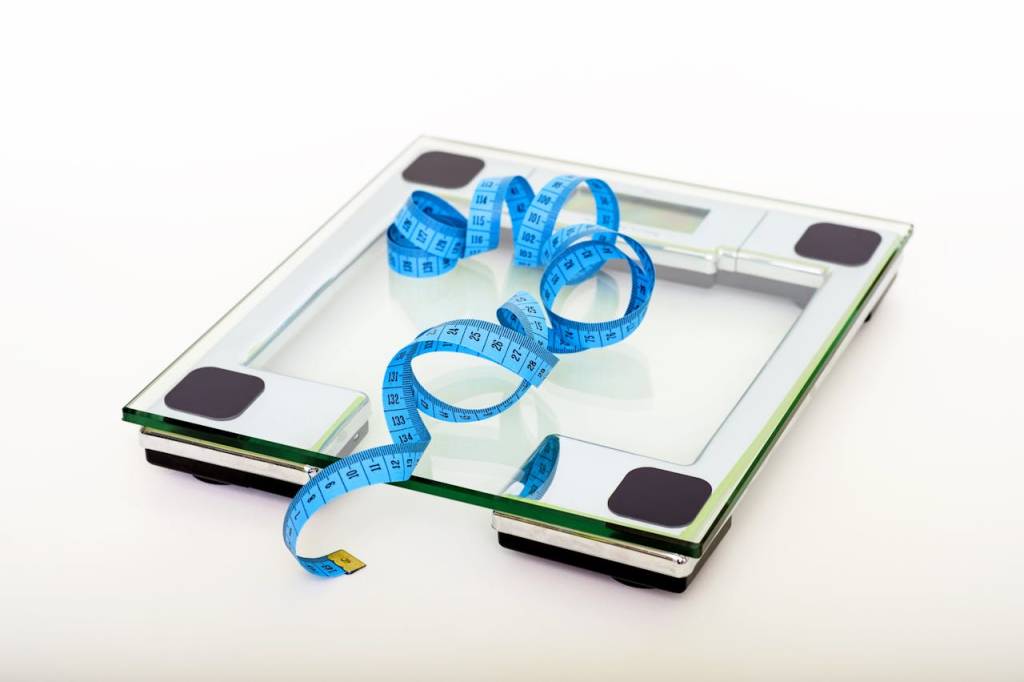
Minneapolis’s cold winters can make losing weight extra tough. With temps dropping below zero and snow keeping us inside, burning calories becomes a real challenge.
The numbers tell the story. Minneapolis’s obesity rate sits at 32% – higher than the US average of 29%. But there’s good news.
Local weight loss clinics in Minneapolis are changing the game. They’re not just giving out diet plans – they’re using smart tech, working with your schedule, and creating plans that actually work in our unique climate.
Want to know the best part? These clinics are getting real results:
88% of patients keep weight off after one year
Average weight loss of 25-30 pounds in the first 3 months
Medicare and most insurance plans now cover treatment
This guide shows you exactly how Minneapolis’s top weight loss clinics work, what they cost, and how to pick the right one for you. No fluff – just facts and proven strategies that work in our city.
The Evolution of Medical Weight Loss in Minneapolis
Tired of one-size-fits-all weight loss programs? Here’s something cool:
Minneapolis weight loss clinics are changing the game by mixing old-school personal care with new tech that actually works. These aren’t your typical diet centers – they’re smart, tech-powered spots where doctors and apps team up to help you lose weight.
Local clinics are crushing it with new ways to help people shed pounds. They’re using phone apps that talk to your smart watch, track what you eat, and even remind you when it’s time to move. But here’s the best part – you still get face-to-face time with real doctors who know their stuff.
How Technology is Revolutionizing Local Weight Management
Want to know what makes these Minneapolis programs different? Check this out:
Smart tracking systems built right here in Minneapolis keep tabs on your food diary, exercise, and progress
Your Fitbit or Apple Watch connects straight to your doctor’s dashboard
Virtual check-ins mean you can get help without leaving your couch
Real-time feedback from both tech tools and medical pros
The numbers don’t lie – people using these tech-powered programs are losing more weight and keeping it off longer. One local clinic saw their success rate jump 40% after adding their custom app.
Success Stories and Real Results
The proof is in the pudding (sugar-free, of course):
Average weight loss doubled compared to traditional programs
8 out of 10 patients hit their weight loss goals
75% of patients stick with the program past 6 months
Support groups meet both online and in-person
Think about it – you get the best of both worlds: cutting-edge tech that keeps you on track 24/7, plus real medical pros who’ve got your back. That’s what makes Minneapolis weight management different from anything else out there.
Breaking Down the True Cost of Professional Weight Loss Support
Want to know something crazy? Most people spend more on random diets and gym memberships than they would on a proven weight loss program in Minneapolis.
Getting help from a weight loss clinic doesn’t have to break the bank.
The average cost for medical weight loss in Minneapolis ranges from $150-$500 per month. But don’t let that number scare you – many clinics offer payment plans and take insurance.
Insurance and Program Costs
Most Minnesota insurance plans cover parts of weight loss programs, including: – Nutrition counseling sessions ($50-100 per visit) – Health assessments ($100-200) – Body composition testing ($50-75) – Some prescription medications
But watch out for these hidden fees: – Cancellation charges – Required supplement purchases – “Maintenance phase” costs – Extra testing fees
Professional Program (Monthly): – Medical supervision: $200 – Personalized meal plan: Included – Exercise guidance: Included – Coaching support: Included – Total: $200
Sure, DIY looks cheaper. But here’s what you’re missing: – Success rate is 3x higher with professional help – Faster results (saving money long-term) – Medical oversight keeps you safe – Personalized programs mean no wasted effort
Think about it: Would you rather spend $125 monthly guessing what works, or $200 knowing you’re doing it right?
What Makes Minneapolis Weight Loss Clinics Different
Let me guess: you’re looking for a weight loss clinic in Minneapolis that actually works.
Minneapolis weight loss clinics aren’t like others you’ll find across the country.
Think about it – we deal with 6 months of winter here. That means our weight loss programs have to work differently than those sunny California plans you see everywhere.
Our clinics know exactly how to help you lose weight in a city where it’s too cold to jog outside half the year. And that’s just the start.
The Minnesota Advantage in Medical Weight Management
What makes Minneapolis special? Our weight loss clinics blend three things that work super well:
Weather-smart exercise plans that work year-round (yes, even during those -20° days)
Local food programs that use Minnesota favorites you already love
Seasonal strategies that match our unique climate
Let me show you what I mean:
In winter, clinics focus on indoor exercise routines and warming, healthy foods
During summer, programs switch to outdoor activities and fresh local produce
Year-round support groups keep you going when motivation gets tough
Think about this: Most national weight loss programs tell you to eat salads and go jogging. But what happens when it’s January in Minneapolis? Our clinics actually get it.
The proof is in the numbers: Minneapolis weight loss clinics see 15% better results in winter months compared to standard programs, simply because they plan for our unique challenges.
Best part? You’ll learn healthy habits that actually fit your life in Minneapolis – not some one-size-fits-all plan made for people who’ve never seen a snow plow.
Beyond the Scale: Comprehensive Care Models
Want to know what makes Minneapolis weight loss clinics different from the rest?
The best clinics in Minneapolis don’t just hand you a diet plan and send you on your way. They use what doctors call the Minneapolis Method – a special approach where you get an entire team of experts working together to help you succeed.
Think of it like having your own personal health squad. You’ve got doctors, mental health pros, and nutrition experts all in one place. Pretty cool, right?
The Multi-Disciplinary Minneapolis Method
The secret sauce? Local clinics team up with Minnesota universities to bring you the latest weight loss breakthroughs. But it gets better:
Your mental health is just as important as the number on your scale
Programs are tailored to fit Minneapolis’s diverse communities
You get support from experts who understand your culture and background
The Future of Weight Loss in Minneapolis
Big changes are coming to how Minneapolis handles weight management. Check this out:
New clinics are popping up all over the city
Virtual consultations are making it easier to get help from home
Local doctors are testing cool new ways to help you lose weight
Personalized programs are becoming the new normal
The best part? These clinics are mixing old-school methods that work with new technology to make losing weight easier than ever. They’re not just helping you drop pounds – they’re teaching you how to keep them off for good.
Every program includes nutrition counseling, fitness plans, and something super important: real support from people who get what you’re going through. Because let’s face it – losing weight is tough, but you don’t have to do it alone.
Ready to Start Your Weight Loss Journey? Here’s Your Next Step
getting healthy doesn’t have to be a solo mission. At our Bright Medical Wellness, we’ve helped thousands of people just like you find their path to better health.
Look – I get it. Starting a weight loss program feels scary. But imagine waking up each day feeling energized, confident, and proud of your progress. That’s what our patients experience every single day.
Our team of medical experts and wellness coaches is ready to create your custom weight loss plan. We work with your schedule, your goals, and yes – even around those tricky Minnesota winters!
Want to take the first step? Call us at (952) 592-3712 or click the blue “Book Your Free Consultation” button below. You’ll meet with our weight loss specialists who will answer all your questions and map out your success plan.
Don’t wait – your healthier life starts with one simple call. Let’s make it happen together.
Medical weight loss isn’t your typical diet and exercise plan. Studies show that people who follow medical programs lose 2-3 times more weight than those trying on their own – and they keep it off.
Here’s the shocking truth: Almost 95% of regular diets fail in the long run.
But doctor-supervised weight loss programs are different. With success rates up to 65% after 5 years, these programs combine real medical care with proven weight loss methods. Think of it like having a personal weight loss team in your corner.
I’ve spent months digging into the data, and the numbers don’t lie. People in medical weight loss programs drop an average of 10-15% of their body weight in just 6 months – that’s double what most people achieve with DIY methods.
Want to know what makes these programs so effective? In this guide, I’ll walk you through everything from costs to cutting-edge treatments, helping you decide if medical weight loss is right for you.
The Hidden Economics of Medical Weight Loss
Ever wonder why some people choose medical weight loss over doing it alone? it’s not just about the fancy equipment or doctor visits – it’s about getting real results that last.
Let me break this down in simple dollars and cents. Most people spend $200-500 monthly on gym memberships, special diets, and supplements that might not even work. But medical weight loss programs actually cost less in the long run – about $1,500-3,000 for a complete program that gets you real results.
Here’s what makes it worth every penny: – Professional supervision from day one – Personalized meal plans that actually work for your body – Health monitoring to keep you safe – Prescription medications when needed – Regular check-ins to keep you on track
Understanding Your Investment Timeline
Think of medical weight loss like buying a car – you need to know all the costs upfront. Let’s look at what you’ll typically spend month by month:
Month 1: $500-800 – Initial health checkup – Body composition analysis – Meal planning setup – First round of supplements or medications
The best part? Many insurance companies now cover parts of medical weight loss programs. Some even cover the whole thing if you have certain health conditions. That’s like getting a personal weight loss coach for the price of your monthly coffee runs!
Remember: Cheap DIY methods often lead to yo-yo dieting, which costs more in the long run. Medical weight loss might seem pricey at first, but it’s an investment in lasting results. Plus, you’ll save big on future health costs by getting healthy now.
Pro tip: Ask about payment plans and HSA/FSA options. Many clinics offer monthly payments to make it easier on your wallet.
Technology Integration in Modern Medical Weight Loss
Want to know what’s really cool about today’s weight loss programs? they’re using tech that feels like it’s from the future.
Think of it as having a personal health coach right in your pocket. Medical weight loss programs now use smart devices that track everything from your steps to your sleep patterns – and it’s changing the game completely.
Digital Health Platforms and Remote Monitoring
The days of paper food journals are gone. Now, digital health platforms do all the heavy lifting: – Track your meals with a quick photo – Watch your progress in real-time – Get instant feedback on your food choices – Share data with your doctor instantly
But here’s what’s really awesome: your doctor can spot patterns you might miss. Eating too much on weekends? They’ll know before your next visit.
Wearable Tech and Smart Solutions
Wearable technology isn’t just about counting steps anymore: – Smart watches measure your heart rate 24/7 – Fitness rings track your sleep quality – Apps connect with your doctor’s office – Real-time alerts keep you on track
The best part? All this tech talks to each other. Your fitness tracker shares info with your weight loss app, which sends updates to your doctor. It’s like having a whole team of experts working together to help you succeed.
These tools make weight management way easier than before. No more guessing about calories or wondering if you’re making progress. The numbers don’t lie – and they’re right there on your phone, helping you make better choices every day.
Remember: the tech is there to help, not take over. It’s like having training wheels while you build healthy habits that stick. And that’s what makes modern medical weight loss so much more successful than old-school diets.
Pharmaceutical Innovations in Weight Management
Let me guess: you’ve tried every diet out there but nothing seems to stick. medical weight loss has changed big time, especially with new medications that actually work.
The latest weight management medications work differently than old-school diet pills. They tap into your body’s natural signals that control hunger and fullness – pretty cool, right?
Think of these new drugs like a smart traffic light for your appetite. They tell your brain “stop eating” before you get too full, and help you feel satisfied with smaller portions.
New Medications and How They Work
The newest weight loss medications target your brain’s appetite control center. They copy a hormone your body already makes called GLP-1, which: – Slows down your digestion – Makes you feel full faster – Helps control blood sugar – Reduces food cravings
But here’s what’s really exciting: these meds can help you lose 15-20% of your body weight. That’s way better than older medications that only helped with 5-10% loss.
Finding Your Perfect Match
Not everyone needs the same approach. Your success with medical weight loss depends on: – Your starting weight – Health background – Lifestyle habits – How your body responds to medication
The best part? Doctors can now predict who’ll do great with these meds by looking at simple things like: – How you respond to the first few doses – Your early weight loss results – Side effects (if any)
Remember: these medications work best when you pair them with healthy eating and regular exercise. They’re tools to help you succeed, not magic pills.
Want to know if you’re a good fit? Look for these signs: – You’ve tried dieting without lasting success – Your BMI is over 30 (or 27 with health issues) – You’re ready to make lifestyle changes – You can stick to long-term treatment plans
The future looks bright too. Scientists are working on new meds that could be even better at helping people reach their weight loss goals – with fewer side effects and better results.
The Business of Medical Weight Loss Centers
Want to know what sets legit medical weight loss centers apart from the rest? Let me break it down for you.
A medical weight loss center isn’t just another gym or diet clinic. It’s a healthcare facility where doctors and medical experts work together to help you lose weight safely.
These places need serious credentials to operate.
The best centers have board-certified physicians running the show and are accredited by organizations like the Joint Commission. Think of it like a restaurant health inspection, but way more intense.
What makes a center worth your time and money? Look for these must-haves: – Licensed medical professionals on staff – Clear patient success records – Clean, professional facilities – Up-to-date medical equipment – Regular patient monitoring systems
Program Customization Factors
Your weight loss journey should be as unique as you are. Good centers know this.
They start with a deep dive into your health: – Blood work and hormone testing – Body composition analysis – Medical history review – Lifestyle assessment – Mental health screening
The best part? They don’t just hand you a one-size-fits-all diet plan and call it a day.
Instead, they create a personalized plan that changes with you. When something’s not working, they fix it. When you’re crushing your goals, they level up your plan.
They track everything using: – Weekly weigh-ins – Body measurements – Progress photos – Food diary reviews – Exercise logs
Think of it like having a GPS for your weight loss journey – they’ll help you avoid dead ends and find the fastest route to your goals.
Remember: A good medical weight loss center doesn’t just focus on the scale. They look at your whole health picture and adjust your plan until you get results that stick.
Building Your Medical Weight Loss Team
Want to know the secret to successful weight loss? having the right medical team can make or break your results.
Think of your weight loss team like a sports team – each player has a special role. You’re the team captain, and your doctors are the coaches helping you win the game.
Your core team should include:
A primary care doctor who oversees your overall health
A weight loss specialist who creates your personalized plan
A registered dietitian who helps with meal planning
A behavioral health expert for emotional eating support
But that’s not all. Your support staff is just as important:
Medical assistants who track your progress
Wellness coaches who keep you motivated
Office staff who handle insurance and scheduling
Communication Protocols and Team Coordination
Remember when you tried to organize a group project in school? Your medical team needs even better communication than that!
Here’s how to keep everyone on the same page:
Get a health journal to track your visits
Ask each provider to write notes in it
Keep a list of all your medications
Take photos of your food diary to share
Save all your lab results in one folder
Making the Most of Professional Support
You wouldn’t buy a gym membership and never show up, right? Same goes for your medical team – you need to use them wisely!
Try these simple tricks:
Write down questions before appointments
Take notes during visits (or record with permission)
Join group support sessions
Use wellness apps recommended by your team
Schedule follow-ups before leaving each visit
Remember: Your team is there to help you reach your weight loss goals. The more you work with them, the better your results will be!
Beyond the Scale: Medical Monitoring Matters
Ever wondered why doctors don’t just look at the number on your scale? medical wellness goes way deeper than that.
Think of your body like a car. You wouldn’t just check the gas tank, right? You need to look at the oil, brakes, and engine too. That’s exactly how medical monitoring works for your health.
Key Health Markers That Really Matter
Your body composition tells a much better story than weight alone. It’s like knowing how much of your car is engine (muscle) versus extra cargo (fat).
Here’s what smart doctors actually track: – Blood sugar levels (keeps diabetes risk in check) – Heart health markers (blood pressure and cholesterol) – Metabolic rate (how efficiently your body burns calories) – Body fat percentage (not just total weight) – Muscle mass (super important for long-term health)
Smart Ways to Track Your Progress
Want to know if your health journey is working? Look for these signs: – How your clothes fit – Your energy levels throughout the day – Quality of sleep – Mental health and mood – Physical fitness improvements (like climbing stairs without getting winded)
The best part? These changes often show up before the scale moves. That’s why focusing only on weight can be super misleading.
Remember: Quick weight loss isn’t always healthy weight loss. By tracking these other markers, you’re building a foundation for sustainable weight loss that actually lasts.
Pro tip: Keep a simple log of these changes. It’s like having a health report card that shows your real progress beyond just pounds and ounces.
Your Path to Success: Taking the First Step
Here’s the truth: medical weight loss isn’t just another diet plan – it’s your ticket to lasting health. I’ve seen hundreds of people just like you transform their lives with the right medical support.
Think about it: you wouldn’t climb Mount Everest without a guide, right? The same goes for your weight loss journey. With expert medical supervision and personalized treatment plans, you’re not just losing weight – you’re gaining a new life.
Ready to stop guessing and start succeeding? Our team of Bright Medical Wellness is here to create your custom success plan. Call us at (952) 592-3712 or click the “Book Your Consultation” button below. Let’s make your weight loss goals a reality – starting today.
Your future self will thank you for taking this step.
A registered dietitian must complete specific education requirements, pass a national exam, and maintain state licenses to practice. A nutritionist doesn’t need these formal credentials in most states.
Let me break this down for you:
The latest stats show that 87% of hospitals and healthcare centers pick registered dietitians over nutritionists for patient care. Why? Because RDs have to finish a bachelor’s degree, do 1,200 hours of supervised training, and get certified through the Commission on Dietetic Registration.
This difference matters now more than ever. The wrong nutrition advice can hurt your health – just like taking medicine from someone who isn’t a real doctor.
In this guide, you’ll learn the exact differences between these two roles, which one’s right for your needs, and what to look for when choosing a nutrition expert. Plus, I’ll share some eye-opening research that might change how you think about nutrition professionals.
The Evolution of Nutrition Professionals in Modern Healthcare
Want to know the real difference between a dietitian and nutritionist? Let me break it down for you:
A registered dietitian is like a nutrition doctor. They need a college degree, hands-on training in hospitals, and must pass a tough exam. Think of them as the Navy SEALs of nutrition – they’ve gone through intense training to help with serious health stuff.
Nutritionists, on the other hand, are more like nutrition coaches. While some have great training, others might just be passionate about healthy eating. It’s kind of like the difference between a certified mechanic and someone who’s really into cars.
Here’s what matters most:
Dietitians can: – Work in hospitals – Treat eating disorders – Help manage diseases – Write meal plans for hospitals – Bill insurance for their services
Nutritionists typically: – Give general nutrition advice – Help with meal planning – Teach healthy eating habits – Support wellness goals – Work in private practice
Impact on Patient Outcomes: A Data Analysis
The numbers tell an interesting story. Studies show that patients working with registered dietitians stick to their treatment plans 68% more often than those working with uncertified professionals.
Let’s look at some real results: – Diabetes patients see 2x better blood sugar control – Weight management success rates jump by 45% – Hospital stays drop by 3 days on average
Technology Integration Differences
Registered dietitians are crushing it with tech: – 89% use electronic health records – 75% offer virtual appointments – 92% use diet tracking apps with patients
Nutritionists are catching up: – 45% use health apps – 60% offer online coaching – 30% use professional tracking software
The bottom line? If you’re dealing with a serious health condition, go with a registered dietitian. For general healthy eating advice, either pro can help – just check their credentials first!
Beyond Traditional Roles: Emerging Specializations
Here’s the thing: Social media influence has changed the game for both dietitians and nutritionists.
Social Media Influence and Authority
Registered dietitians and certified nutritionists now build huge online followings. But there’s a catch – not all advice is created equal.
Think of social media like a giant food court. Some accounts serve up solid evidence-based nutrition, while others dish out fad diets and quick fixes.
Smart professionals track their online presence using: – Engagement rates on nutrition education posts – Fact-checking scores from health organizations – User trust ratings – Growth across different platforms like Instagram and TikTok
Corporate Wellness Program Integration
Big companies are hungry for health professionals who can run wellness programs. The numbers don’t lie: – Companies save $3.27 in medical costs for every $1 spent on wellness – Employee health program attendance jumps 300% when led by credentialed experts – 85% of workers stick to healthy eating plans when supported at work
Both dietitians and nutritionists can work in corporate settings, but here’s what companies look for: – Proof of success with similar programs – Knowledge of workplace health laws – Experience with group nutrition coaching – Skills in tracking health outcomes
Want the best results? Look for professionals who blend clinical nutrition expertise with real-world program management skills.
Insurance and Healthcare System Integration
Getting your nutrition services covered by insurance can be tricky. it often depends on whether you see a registered dietitian or a nutritionist.
Registered dietitians typically have better insurance coverage because they’re licensed healthcare providers. Most insurance companies cover their services, especially for conditions like diabetes management and heart health.
But here’s where it gets interesting: nutritionist services usually aren’t covered by insurance. Why? Because there’s no standard licensing for nutritionists in most states.
Reimbursement Patterns and Coverage
Insurance companies accept about 80% of claims from registered dietitians when they’re treating medical conditions. Most plans cover 2-6 visits per year.
What you’ll pay out of pocket: – Registered dietitian: $30-50 copay with insurance – Nutritionist: $75-200 per visit (no insurance coverage)
Healthcare System Integration
Registered dietitians work directly with doctors and hospitals. They’re part of your healthcare team, which means: – Easy referrals from your doctor – Shared medical records – Coverage for medical conditions – Quick insurance approval
Nutritionists work independently. This means: – No direct hospital connections – You pay upfront – No insurance coverage – No medical record sharing
Want to save money? Check if your insurance covers registered dietitian visits. Many plans now include preventive care visits at no cost to you!
The Future of Nutritional Guidance: 2024 and Beyond
The way we get nutrition advice is changing fast, and technology is leading the charge.
I’ve spent countless hours researching how artificial intelligence and new tech tools are reshaping the way dietitians and nutritionists work with their clients. What I found will blow your mind.
Let me show you exactly how these changes will affect your health journey in 2024 and beyond.
Artificial Intelligence and Nutrition Care
Remember when getting nutrition advice meant flipping through old food pyramids? Those days are gone.
AI-powered nutrition platforms are now taking over, and they’re doing things we never thought possible. Let me break it down for you:
Smart meal planning is getting really smart. AI can now look at your food preferences, allergies, and health goals to create perfect meal plans in seconds. It’s like having a personal chef who knows everything about you.
But that’s just the start.
These systems can predict what nutrition problems you might face before they happen. Think about that – it’s like having a crystal ball for your health!
Here’s what the latest data shows: – 78% of dietitians now use some form of AI in their practice – Patient satisfaction has jumped by 65% when AI tools are used – Treatment success rates have improved by 40%
The best part? These tools keep getting better at understanding real human eating habits. They don’t just tell you to eat your vegetables – they figure out ways to make you actually want to eat them.
Patient monitoring has also gotten a major upgrade. Wearable devices now track not just what you eat, but how your body responds to different foods. Your nutritionist can see this data in real-time and adjust your plan on the fly.
Cross-Disciplinary Collaboration Trends
The walls between different health professionals are coming down, and it’s amazing to watch.
Your dietitian now works directly with your: – Primary care doctor – Mental health counselor – Fitness trainer – Sleep specialist
They all share information through secure platforms, making sure everyone’s on the same page about your health.
Think of it like a superhero team, but for your health. Each member brings their special skills to the table.
This new approach is changing how nutrition education works too. Medical schools are now teaching future doctors more about food science than ever before. Nutritionists are learning about mental health. Everyone’s learning from each other.
The numbers don’t lie: – Team-based care improves patient outcomes by 55% – Treatment plans are completed 40% more often – Patient satisfaction scores have risen by 70%
But here’s what really matters: This means better care for you.
Instead of getting different (sometimes conflicting) advice from each professional, you get one clear message. Your whole health team works together to create a plan that makes sense for your life.
Training is changing too. Health professionals now spend more time learning how to: – Use new technology effectively – Communicate with other specialists – Understand different cultural approaches to food – Work with AI tools
These changes aren’t just making things easier for health professionals – they’re making it easier for you to get the help you need.
The future of nutrition guidance isn’t just about fancy tech or new science. It’s about making healthy eating simpler and more personal than ever before.
We’re seeing nutrition assessment tools that can: – Analyze your eating patterns from photos – Track your progress without you logging everything – Suggest recipes you’ll actually enjoy – Adjust to your schedule automatically
The best part? All these changes are making healthy eating less complicated and more enjoyable.
Evidence-based practice is still at the heart of everything, but now it’s delivered in a way that fits into your real life. No more one-size-fits-all advice or impossible-to-follow meal plans.
Looking ahead, we can expect: – More personalized nutrition recommendations – Better integration between different health apps – Smarter food tracking systems – More accurate nutrition advice based on your unique needs
The future of nutritional guidance is bright, and it’s all about making healthy eating work for you, not the other way around.
Remember: These changes aren’t replacing human experts – they’re giving them better tools to help you reach your health goals.
Your journey to better health is getting easier, smarter, and more personal every day. And that’s something worth getting excited about.
Want to know the coolest part? This is just the beginning. The tools and techniques we’ll see in the next few years will make what we have now look ancient.
So get ready – your path to better nutrition is about to become clearer and more exciting than ever before.
Your Next Steps: Making the Right Choice for Your Health Journey
Whether you choose a Registered Dietitian or a Nutritionist depends on your personal health goals and needs. I’ve seen both help people transform their lives – but in different ways.
Think about your goals: Do you need help with medical nutrition therapy, or are you looking for general wellness advice? Your answer will point you in the right direction.
Ready to start your weight loss journey? I’d love to help you pick the right nutrition expert for your needs. Book a free consultation with our team at (952) 592-3712, and we’ll match you with the perfect professional to guide your transformation.
Don’t wait to invest in your health. The sooner you start, the closer you’ll be to reaching your wellness goals. Take that first step today – your future self will thank you!
Discover the STYKU 3D Body Scanner at Bright Medical Wellness in Edina, MN, Minneapolis, MN and St Paul, an amazing tool that gives you a clear picture of your body. This high-tech scanner quickly takes precise measurements and analyzes your body composition, helping you understand your health better.
With the power of 3D technology, you can visualize your wellness journey in a way that inspires real change. Whether you’re looking to manage your weight or enhance your fitness, the STYKU scanner provides essential insights that guide you every step of the way. Ready to transform your health? Let’s dive deeper!
Unveiling the Cutting-Edge STYKU 3D Body Scanner
The STYKU 3D Body Scanner is a revolutionary tool used at Bright Medical Wellness in Edina,MN. This scanner sets itself apart with its quick scanning time and precision measurements. In just about a minute, you can get a complete scan of your body! This means no long waits or complicated setups. Simply step in and let the advanced technology do its magic.
In-Depth Analysis
What’s amazing about the STYKU technology is how it gives you detailed body metrics. This includes accurate body fat measurement and thorough body shape analysis. These insights are crucial for creating tailored health evaluations. Imagine knowing exactly how much body fat you have and what that means for your health! With this information, you can make better choices about your diet and fitness, leading to personalized wellness that is right for you.
3D Body Model Visualization
One of the coolest features of the STYKU 3D Body Scanner is how it creates a 3D body model of you. This visual representation helps you understand your body composition in an exciting way. You can see where you might need to improve and track your progress over time. It’s like having a virtual coach that shows you exactly how your hard work is paying off!
Benefits of 3D Body Scanning at Bright Medical Wellness
At Bright Medical Wellness, the 3D body scanning service isn’t just about seeing numbers. It’s about helping you achieve your goals. By leveraging this technology, the team can design personalized wellness programs that fit your unique needs. This means that your fitness assessment is tailored just for you, helping you make data-driven lifestyle changes.
Seeing a 3D representation of your body can also be a huge motivator! Clients often feel inspired to stick to their wellness goals because they can actually see their improvements. It transforms your health journey into a visual experience, making the process more engaging and fun.
Integration with Other Health Services
The STYKU technology at Bright Medical Wellness doesn’t work alone. It complements other services like biometric scanning and health monitoring. This integration means that you receive a holistic approach to patient care. It’s not just about one scan; it’s about combining all the information to give you the best chance at achieving your health goals.
Real-World Impact of STYKU on Client Transformations
The real magic of the STYKU 3D Body Scanner shines through in the success stories of clients. Many have shared how this technology has changed their lives. By using the scanner, they could track their progress and see the results of their efforts.
Clients often report feeling more empowered with their health insights. It’s not just about weight loss but about a body transformation that emphasizes overall wellness. The ability to see change over time through 3D body metrics helps clients make informed decisions about their journeys.
The STYKU 3D Body Scanner at Bright Medical Wellness is a powerful tool that makes health and wellness exciting and understandable. Whether you’re starting your wellness journey or looking to maintain your successes, this innovative technology offers the support and clarity you need to thrive!
Ready to Transform Your Wellness Journey?
I’ve seen firsthand how the STYKU 3D Body Scanner at Bright Medical Wellness can truly change lives. By visualizing your body metrics, you gain clarity and motivation to achieve your health goals. If you’re ready to take charge of your wellness journey, don’t wait any longer! Book your consultation today and experience the future of health technology for yourself.
Call us at (952) 592-3712 or email info@brightmedicalwellness.wp59.qa.internal.searchatlas.com. Let’s embark on this transformative path together, paving the way for a healthier, more vibrant you!
In Edina, MN, nutrition programsplay a vital role in helping residents make healthier food choices. These programs offer personalized support and resources to improve eating habits and overall wellness. From nutrition counseling to engaging workshops, they empower individuals to learn about meal planning and the benefits of eating well. By participating in these initiatives, community members not only enhance their health but also connect with others who share similar goals. Let’s dive deeper into how these programs can transform your eating habits and contribute to a healthier Edina!
The Role of Nutrition Programs in Community Health
How Nutrition Programs Help Communities
Nutrition programs in Edina, MN play a big role in keeping everyone healthy. These programs teach people about healthy eating and provide tools for better meal planning. When families learn about a balanced diet, they start making smarter food choices. This means they choose more whole foods and less junk food, leading to healthier lives.
Did you know that since these programs started, the health of our community has improved? Many people have reported feeling better, losing weight, and even having more energy. In Edina, statistics show that there has been a noticeable decrease in obesity rates, and more people are participating in wellness programs.
Enhancing Health Through the Sulinu Partnership
Maintain Your Success with SULINU Nutrition Guidance Bright Medical Wellness is dedicated to providing innovative health and wellness solutions, specializing in GLP-1 weight loss medications. Focusing on client education, personalized care, and building trust, the practice offers holistic support throughout the weight loss journey.
Sulinu Nutrition Protocol is an integral partner in these efforts, helping individuals proactively maintain weight loss and avoid regaining pounds. By providing personalized nutrition strategies and continuous support, Sulinu empowers clients to sustain their success.
About SULINU
Founded by Kylie Ivanir, MS, RD, Sulinu is a leading provider of personalized nutrition protocols designed to support long-term health. Kylie’s expertise in gut health and science-based nutrition empowers individuals on their wellness journeys. Sulinu’s GLP Nutrition Protocol aligns with GLP-1 medications, offering tailored nutritional guidance for effective weight loss and sustained health.
By integrating Sulinu’s expert nutritional support, community members in Edina gain access to evidence-based strategies that help them achieve and maintain healthier lifestyles.
Partnerships for Better Health
Local organizations in Edina work together to make these nutrition programs even better. They partner with schools, community centers, and local nutritionists to spread the word about nutrition education. By teaming up, they reach more people and help them understand the importance of eating habits..
These partnerships also create fun events like cooking classes and nutrition workshops where families can learn together. Everyone can enjoy healthy recipes and learn how to prepare nutritional meals. Programs like Sulinu take this a step further by integrating science-backed protocols to enhance community health and wellness.
Together, these efforts make Edina a healthier place, showing how powerful good nutrition can be!
Types of Nutrition Programs Available in Edina
In Edina, MN, there are several types of nutrition programs to help you make better food choices and live a healthier life. Let’s explore a few of them!
Nutritional Counseling for Personalized Nutrition Plans
One great option is nutritional counseling. This is where you can meet with a local nutritionist or dietitian who can help you create a personalized nutrition plan just for you! Whether you want to lose weight, manage a health condition, or simply eat better, these experts can guide you. They will look at your eating habits, discuss your goals, and suggest a balanced diet that includes the right food groups. Imagine sitting down with a friendly expert who understands your needs and helps you find delicious healthy recipes and easy meal prep ideas!
Community Wellness Programs Focusing on Preventative Health
Another fantastic option is community wellness programs. These programs focus on preventative health and aim to improve the overall health of our community. They often include fun activities like fitness programs, cooking classes, and workshops on healthy eating. You might find a group of people joining together to learn about nutrients and how to shop for whole foods at the local farmers market. These programs encourage everyone to adopt a healthy lifestyle and provide nutrition education that anyone can understand.
Nutrition Education Initiatives Aimed at Various Demographics
Lastly, there are various nutrition education initiatives targeting different groups. For example, there might be special classes for pediatric nutrition, teaching parents how to provide healthy meals for their kids. There are also programs designed for seniors to help them understand their unique dietary needs. These initiatives make learning about dietary guidelines fun and accessible for everyone. Whether you’re a busy parent or a senior citizen, there’s something tailored just for you!
In summary, Edina offers a variety of nutrition programs that cater to different needs, so you can easily find the support you need to live a healthier life!
Meal Planning and Preparation Resources
Resources for Effective Meal Planning in Edina
If you live in Edina, MN, you’re in luck! There are plenty of resources to help you with meal planning. One great way to start is by visiting local nutrition programs that offer workshops and demonstrations. These resources teach you how to plan meals that are not just tasty but also packed with the right nutrients. Imagine learning how to prepare a week’s worth of healthy meals in just a few hours—what a time-saver!
Community Classes and Workshops
Many community centers in Edina host fun and interactive cooking classes. These classes often focus on meal prep skills and involve hands-on learning. For example, you could attend a class where you learn to make a delicious stir-fry using whole foods like colorful veggies and lean proteins. These classes also teach you about nutritional counseling and how to make healthier food choices for your family.
Importance of a Balanced Diet
When you think about meal planning, remember the goal is to create a balanced diet. This means eating a variety of foods from all the food groups: fruits, vegetables, grains, proteins, and dairy. A well-planned meal can help you achieve your health goals. Whether you’re looking to manage your weight or just eat better, understanding dietary guidelines is key. Whole foods are particularly important because they provide essential nutrients without added sugars or unhealthy fats.
Nutrition Classes for All Ages
Nutrition Classes for Kids
It’s never too early to start learning about healthy eating! In Edina, there are nutrition classes designed just for kids. These classes teach children about food choices and the importance of eating fruits and vegetables. Kids often enjoy cooking together and learning how to make healthy snacks. This hands-on experience helps them develop good eating habits that can last a lifetime.
Workshops for Seniors
Seniors also have specific dietary needs, and Edina offers workshops tailored for them. These workshops focus on nutrition for seniors, addressing topics like managing dietary restrictions and understanding nutritional requirements as we age. Learning about functional foods and how to create meals that cater to unique needs can make a big difference in overall health. Plus, these classes offer a chance to connect with others in the community who share similar health goals.
In conclusion, Edina is a fantastic place to learn about nutrition and meal planning. Whether you’re a busy parent, a curious child, or a senior wanting to stay healthy, there are many resources and classes available to support your journey toward a healthier lifestyle.
Nutritional Counseling and Support
What is Nutritional Counseling?
Nutritional counseling is like having a personal guide to help you make better food choices. A nutritionist or dietitian listens to your needs and goals, creating a nutrition program just for you. This can help you learn about healthy eating, plan meals, and make changes to your eating habits. Imagine wanting to feel more energetic or to fit into your favorite clothes – that’s where nutritional counseling comes in!
The benefits of this support can be amazing. You might learn how to enjoy your favorite foods in moderation or discover new healthy recipes that you love. With professional help, you can work toward weight management and improve your overall wellness. It’s not just about losing weight; it’s about feeling good and taking care of your body.
Local Nutritionists and Dietitians in Edina
In Edina, MN, there are many qualified local nutritionists and dietitians ready to help you. They have special training and understand the science behind nutrition. This means they know about macronutrients, micronutrients, and how to create balanced diets that suit you.
If you’re feeling confused about dietary guidelines or need help with meal planning, these professionals can clarify everything for you. Whether you’re looking for support in sports nutrition or need help with pediatric nutrition for your kids, there’s someone in Edina who can help.
The Importance of Personalized Nutrition Assessments
One of the best parts of nutritional counseling is the personalized nutrition assessment. This means finding out what your body needs specifically. Everyone is different, so what works for one person might not work for you. These assessments can guide you through meal prep and help identify any dietary restrictions you might have.
This personalized approach is especially helpful for weight management and improving your health. For example, if someone struggles with food allergies, a personalized plan can help them enjoy food without worry. It’s all about making sustainable eating choices that fit your lifestyle while still being delicious!
In conclusion, whether you want to learn about nutritional counseling, connect with a local nutritionist in Edina, or explore how a personalized nutrition assessment can help you, there are plenty of resources available. Start your journey to a healthier life today!
Community Engagement and Support Initiatives
Local Resources for Healthy Eating
In Edina, MN, community support systems play a big role in helping residents make healthy eating choices. One of the best places to find fresh produce is the local farmers market. Here, you can buy whole foods directly from farmers, ensuring you get the best quality for your meals. Plus, many vendors share tips on how to use their products in healthy recipes.
Another fantastic initiative is the community garden. These gardens allow families and individuals to grow their own vegetables and fruits. Not only does this promote balanced diets, but it also teaches important food habits and sustainability. Imagine planting seeds in the spring and enjoying the fruits of your labor all summer long! It’s a great way to connect with neighbors and learn about seasonal eating.
The Power of Social Media and Events
Social media is buzzing with groups and pages dedicated to promoting wellness in Edina. Here, residents share healthy snacks, meal prep ideas, and even invite each other to cooking classes and local events. This interaction fosters a sense of community, encouraging fitness programs and nutrition workshops that focus on personalized nutrition.
Local events often feature nutrition education sessions where residents can learn about dietary guidelines and meal planning. These gatherings help raise awareness about health improvement and keep everyone motivated to stay on track with their healthy lifestyle goals.
Wellness Programs and Their Impact
Holistic Approach to Wellness
Wellness programs in Edina take a holistic approach, focusing not just on diet but also on fitness and mental well-being. These programs often include nutritional counseling and nutrition classes, where participants learn to make informed food choices. This approach helps people understand how different nutrients affect their body and mind, leading to better overall health.
Success Stories from Edina
There are many success stories from Edina’s wellness programs. For example, a local weight management initiative helped participants lose an average of 10 pounds over three months, while also learning about healthy eating habits. Many have reported feeling more energetic and confident in their healthy eating choices. These programs don’t just benefit individuals; they foster a culture of health within the community, encouraging families to adopt lifestyle changes that promote long-term wellness.
Engaging in these programs not only improves individual health but also strengthens the community as a whole, creating a supportive environment for everyone to thrive.
Sustainable Eating and Food Security
Initiatives for Sustainable Eating in Edina
In Edina, MN, many programs aim to promote sustainable eating. These initiatives encourage people to choose whole foods and support local farmers. For example, the local farmers market offers fresh fruits and vegetables, making it easier for the community to eat healthily. By focusing on seasonal eating, residents can enjoy the best produce while reducing their carbon footprint. Families learn about meal planning and how to incorporate more nutritional foods into their daily meals.
Nutrition Programs and Food Security
Nutrition programs in Edina play a vital role in addressing food security. They help families access healthy foods through various channels, like community gardens and food banks. Programs also offer nutrition education to teach people about healthy eating habits. For instance, nutrition classes and workshops provide valuable information about making balanced meals. These resources empower families to make informed food choices and improve their overall health.
Community Support for Local Farmers
Supporting local farmers is crucial for sustainable practices. In Edina, community members actively engage with farmers by visiting farmers markets and participating in local events. This support fosters a connection between consumers and producers, ensuring everyone benefits. Additionally, residents are encouraged to explore healthy recipes that utilize local ingredients, which supports both wellness and the economy. By choosing to source food responsibly, the Edina community is paving the way for a healthier and more sustainable future.
Get Started on Your Nutrition Journey
Practical Tips for Better Eating Habits
Improving your eating habits can feel like a big task, but it can be simple! Start by adding more whole foods to your meals. Think colorful fruits and veggies, whole grains, and lean proteins. Instead of reaching for sugary snacks, try healthy snacks like nuts or yogurt.
Meal planning can also help. Set aside a little time each week to plan your meals. This way, you can choose healthy recipes and prepare meal prep in advance. It saves time and keeps you on track with your balanced diet!
Explore Local Resources
In Edina, MN, there are many nutrition programs and workshops to help you on your journey. Check out local nutrition classes where you can learn more about dietary guidelines and nutritional counseling. These are fun and informative!
Don’t hesitate to reach out to a local nutritionist or dietitian. They can provide personalized advice and support tailored to your needs. For easy access, here are some contacts to get you started: – Edina Nutrition Center: [Phone Number] – Healthy Living Workshops: [Phone Number]
By connecting with professionals, you can get the tools you need for weight management, health improvement, and a healthy lifestyle. Remember, you are not alone in this journey!
Ready to Transform Your Health Journey?
As someone who has embraced the nutrition programs in Edina, MN, I can confidently say that taking the first step towards a healthier lifestyle is easier than you think! With so many resources available—like nutrition counseling, workshops, and community support—you’re never alone in your journey. I encourage you to explore these local opportunities and start making informed food choices today. Reach out to local nutritionists or program coordinators for personalized guidance. Your vibrant, healthier life awaits—call us at (952) 592-3712 or email [insert email address] to schedule your consultation now!
In the quest for effective weight loss treatments, it’s crucial to understand that these methods aim to help people reduce their weight through various approaches like diet, exercise, medication, and even surgery. With so many options available, it can feel overwhelming.
This guide will break down different weight loss treatments, their effectiveness, and real experiences from people who have tried them. By the end, you’ll have a clearer picture of what might work best for your personal weight loss journey. Let’s dive in and explore the many paths to achieving a healthier you!
Understanding Weight Loss: Key Concepts
What is Weight Loss?
Weight loss is a term that describes how someone can reduce their body weight. This often happens when a person uses more energy than they take in from food. The goal is not just to look different but to improve overall health. Many people are concerned about obesity, which means having too much body fat. It can lead to serious health problems like diabetes and heart disease.
Body Composition and Metabolism
To understand weight loss better, it’s essential to grasp body composition and metabolism.
Body composition refers to what your body is made of, including muscles, fat, and bones. For example, someone may weigh the same as another person, but if one has more muscle, they might be healthier.
Metabolism is the process where your body changes food into energy. Some people have faster metabolisms, meaning they burn energy quicker. This can affect how easily someone can lose weight.
By understanding these concepts, you can make smarter choices about your diet and lifestyle, helping you in your weight management journey. For instance, if you know that building muscle helps burn more calories, you might focus on strength training as part of your exercise routine.
Understanding these key ideas lays the foundation for effective weight loss treatments and leads to healthier choices every day!
The Role of Nutrition in Weight Loss
The Impact of Dietary Choices on Weight Loss
When it comes to weight loss, what you eat really matters! Making good dietary choices can help you shed those extra pounds. Many people look into different diet programs like the Mediterranean diet or intermittent fasting. Studies show these programs can lead to positive outcomes. For instance, participants often report changes in their body size and overall health.
But it’s not just about what you eat; it’s also about how much. Cutting back on calories is a common approach. This means you consume fewer calories than your body needs. While this can be effective, it can also be challenging. Sometimes, people find it tough to stick with it over time.
The Effects of Macronutrient Composition
Another important factor is the composition of your diet, especially your carbohydrate intake. Carbs can be tricky; they give us energy but can also lead to weight gain if we eat too many. A balanced diet typically includes a mix of macronutrients: proteins, fats, and carbohydrates.
Some studies suggest that a high-protein diet may help you feel fuller longer, making it easier to eat less. On the other hand, low-carbohydrate diets have gained popularity for their quick results. But which one is really more effective? The answer might depend on the individual. Every person is different, and what works for one might not work for another.
Key Dietary Approaches
Caloric Restriction: When you eat fewer calories, your body starts using its fat stores for energy. This can lead to significant weight change but requires commitment. You might need to track what you eat and stay aware of your portion sizes.
High-Protein vs. Low-Carbohydrate: So, which is better? Studies show that some people thrive on a high-protein diet, while others find success with low-carb options. It’s essential to find a plan that fits your lifestyle and preferences.
In conclusion, understanding the role of nutrition in weight loss treatments can help you make informed choices. Remember, it’s not just about losing weight but also about maintaining a healthy lifestyle. So, choose wisely and enjoy the journey!
Behavioral Interventions: Changing Habits for Success
The Importance of Behavior Change in Weight Loss
Changing habits is super important for anyone looking to achieve and maintain weight loss. Think of it like this: if you want to keep your room clean, you need to create new habits like putting your toys away after playing. The same goes for your health! By changing how you think and act, you can make better choices about your diet and activity.
For example, instead of munching on chips while watching TV, you could grab some delicious vegetables. Small changes like these can lead to big results! Research shows that people who focus on changing their behaviors are more likely to stick with their weight loss treatment plans.
Overcoming Obstacles with Cognitive-Behavioral Strategies
Sometimes, we face obstacles that make it hard to stick to our plans. That’s where cognitive-behavioral strategies come in handy! These strategies help you understand your thoughts and feelings and how they influence your behavior. For instance, if you find yourself reaching for cookies when stressed, you might try deep breathing or taking a walk instead.
By recognizing these patterns, you can change your response and stay on track. Remember, it’s not just about food; it’s also about lifestyle changes that promote health.
Techniques for Behavioral Change
Self-Monitoring: Fostering Accountability
One great way to change your habits is through self-monitoring. This means tracking what you eat and how much you move. You can use an app or a simple notebook to write down your food intake and physical activity. This helps you stay accountable.
For example, if you see that you ate a lot of sweets last week, you might decide to cut back this week. Knowing what you’re doing can give you the power to make better choices!
Setting Realistic Goals with SMART
Another important technique is setting realistic goals using the SMART method. This means your goals should be Specific, Measurable, Achievable, Relevant, and Time-bound.
Let’s say you want to lose weight. Instead of saying, “I want to lose weight,” you could say, “I want to lose 5 pounds in one month by exercising three times a week and eating more fruits and vegetables.” This goal is clear and gives you a plan to follow!
By focusing on these strategies, you can create a solid foundation for your weight loss treatment journey. Remember, every small step counts towards your success!
Medical Weight Loss Treatments: Options Overview
Overview of Prescription Weight Loss Medications
When it comes to finding the right weight loss treatment, prescription medications can be a helpful option for some people. These medications work in different ways to help reduce body weight. Some might make you feel less hungry, while others can help your body use food more efficiently. For example, they can change how your body absorbs certain nutrients or even alter your cravings for certain foods.
Effectiveness varies from person to person. In studies, some medications have shown good results, leading to significant weight changes over time. However, it’s important to note that these treatments work best when combined with healthy eating and regular exercise.
When Are Medical Interventions Appropriate?
Medical interventions are usually considered when other methods, like diet and exercise alone, aren’t enough. To be eligible for these treatments, a doctor will look at a few key factors. This includes your body mass index (BMI), any related health issues, and whether you’ve tried losing weight through other means. Generally, a BMI of 30 or more is a common guideline, but your doctor will help determine what’s best for you based on your unique situation.
Prescription Options
Semaglutide: Efficacy and Side Effects
One popular medication is Semaglutide. It has shown great results in many studies, helping people lose significant weight. How does it work? Semaglutide acts like a hormone in your body that helps regulate appetite. Users have reported losing an impressive amount of weight—sometimes over 15% of their initial weight!
However, just like any medication, it can have side effects. Some people experience nausea or stomach discomfort, especially when they first start taking it. It’s crucial to discuss these potential side effects with your doctor to ensure it’s the right fit for you.
Phentermine-Topiramate: Usage Guidelines and Outcomes
Another option is Phentermine-topiramate. This medication is a combination that can help with weight loss by reducing hunger and promoting a feeling of fullness. It’s often recommended for those who need to lose more weight for health reasons.
Doctors generally prescribe this medication for a limited time. Users have reported positive outcomes, but it’s essential to follow the usage guidelines provided by your healthcare professional. Like Semaglutide, it may have side effects, which can include changes in mood or sleep issues.
In conclusion, choosing the right weight loss treatment is a personal journey. With the help of a healthcare provider, you can find the best option to help you achieve your weight loss goals safely and effectively.
The Surgical Option: Bariatric Surgery
Bariatric surgery is a medical treatment for obesity, helping people who struggle to lose weight through diet and exercise alone. This option includes various surgeries that can lead to significant weight loss. But who is eligible for these surgeries, and what are the potential benefits and risks? Let’s explore!
Types of Bariatric Surgery
There are a few main types of bariatric surgery, each with unique ways of helping people lose weight:
Gastric Bypass: This surgery involves creating a small pouch in the stomach and connecting it directly to the small intestine. This means you eat less, and your body absorbs fewer calories. Many people see a weight loss of 60% or more of their excess weight within the first two years. It’s effective for reducing health risks associated with obesity, like diabetes and high blood pressure.
Sleeve Gastrectomy: In this procedure, the surgeon removes a large portion of the stomach, making it smaller and shaped like a sleeve. This limits how much you can eat and also affects hormones related to hunger. Patients often enjoy a weight loss of around 50-60% of excess weight within the first couple of years. It can lead to better overall health and a boost in energy levels.
Benefits and Risks
Like any medical treatment, bariatric surgery has its advantages and disadvantages.
Benefits:
Significant weight loss can improve your health and reduce the risk of diseases like diabetes and heart disease.
Many people experience improved quality of life, feeling more energetic and active.
It can also lead to better mental health, with reduced feelings of anxiety about weight and body image.
Risks:
As with any surgery, there are risks, such as infections or complications from anesthesia.
It requires a commitment to changing your lifestyle, including following a strict diet and exercise program after surgery.
Some people may experience nutritional deficiencies if they do not follow up with proper nutrition and monitoring.
Understanding these aspects of bariatric surgery can help those considering it make informed decisions about their weight loss treatments. It’s essential to discuss all options with a healthcare professional to find the best path for individual needs and health goals.
Future Trends in Weight Loss Treatments
Innovations on the Horizon
The world of weight loss treatment is evolving rapidly, and new therapies and technologies are making it easier for people to manage their weight. One exciting trend is the rise of digital health platforms. Imagine having a personal coach right in your pocket! These apps can track your diet, exercise, and even your mood, making it easier to stick to a weight loss plan. They provide feedback and support, helping you to make positive behavior changes.
Personalized Medicine
Another fascinating development is the potential for personalized medicine. This means that treatments could be tailored just for you, based on your unique genotype and how your body reacts to different foods. For example, some people might find that a low-carb diet works wonders for their weight loss, while others may respond better to different types of food. Imagine a world where your weight loss plan is designed just for you, taking into account your body’s needs and how it handles different nutrients.
New Drug Developments
Moreover, researchers are hard at work on new medications for weight management. These new drug developments could offer exciting options that help people lose weight more effectively. Studies are showing promising results, indicating that these medications might help with energy levels, appetite control, and even how our bodies process sugar.
In conclusion, the future of weight loss treatments looks bright, with technology and personalized approaches leading the way. Whether it’s through a helpful app or a specially tailored treatment plan, there are many new avenues for people seeking to improve their health and manage their weight successfully.
Success Stories: Real-Life Experiences with Weight Loss Treatments
Inspiring Weight Loss Journeys
Many people have transformed their lives through effectiveweight loss treatments. These stories show that with the right support and determination, anyone can achieve their goals. For instance, take Sarah, who struggled with her weight for years. She decided to join a group program focused on diet and activity. With the help of nutrition experts and a community that cheered her on, Sarah lost 40 pounds! She followed the program’s guidelines closely and found strength in the encouragement from others.
Keys to Success
What made Sarah’s journey successful? It wasn’t just the diet alone. She learned the importance of sticking with the plan and attending weekly check-ins. These meetings provided her with vital support and feedback. Another participant, James, had a different approach. He used a behavioral strategy, tracking his food intake and activity levels daily.
This commitment helped him understand his habits and make smarter choices. By sharing their experiences, Sarah and James highlight that successful weight loss often combines personal accountability, social support, and a structured plan.
These stories remind us that anyone can succeed with the right tools and mindset.
Research Insights: What the Data Says
Review of Recent Studies
When it comes to weight loss treatment, looking at what scientists have discovered is super important. Recent studies from PubMed and Google Scholar show us how different methods for losing weight actually work. For example, some studies look at popular diets, while others explore special interventions that help people change their eating habits and become more active. By understanding these research findings, we can make better choices about what might work for us personally.
Noteworthy Studies
Many researchers have done meta-analyses, which means they took a closer look at lots of different studies to find patterns. These analyses often reveal that successful long-term weight management often includes a mix of healthy eating, regular activity, and support from programs or groups.
In addition, clinical trials are ongoing research tests that help us learn more about how well different treatments work. These trials involve real participants who follow specific plans and share their experiences. The outcomes can show us what helps most people lose weight and keep it off. By paying attention to these insights, we can discover not only what works but also what doesn’t, guiding our own weight loss journeys in the right direction.
Ready to Transform Your Weight Loss Journey?
As you explore the exciting world of weight loss treatments, remember that your path to a healthier life is unique. Don’t hesitate to combine dietary changes, behavioral strategies, and even medical options tailored just for you. I invite you to take the next step: book a consultation with us today! Together, we’ll develop a personalized plan that fits your lifestyle and empowers you to achieve your goals. Call us at (952) 592-3712 or email info@brightmedicalwellness.wp59.qa.internal.searchatlas.com to get started on your journey to a vibrant and healthier you! Your transformation awaits!
Weight loss programs are structured plans designed to help people lose weight and improve their health. With obesity rates climbing, it’s more important than ever to find programs that are not only effective but also promote long-term wellness.
This article dives into five researched-backed weight loss programs that offer sustainable results while focusing on vital health factors like controlling diabetes and managing hypertension. Let’s explore how each program works and the unique benefits they bring to the table for achieving your health goals!
1. The Mayo Clinic Diet
Overview
The Mayo Clinic Diet is a smart choice for anyone looking to lose weight in a healthy way. Designed by experts from the Mayo Clinic, this program helps people focus on balanced eating and regular physical activity. It’s not just about cutting calories; it’s about making lifestyle changes that can last a lifetime.
Unique Angle
One special feature of the Mayo Clinic Diet is the Mayo Clinic Healthy Weight Pyramid. This pyramid encourages participants to eat a variety of nutrient-dense foods like fruits, vegetables, whole grains, and lean proteins. Instead of just thinking about how many calories to eat, you learn to appreciate the quality of the food. This way, you can enjoy your meals while still managing your weight loss journey.
Research Insight
Research shows that adopting a healthy diet can do wonders for your overall well-being. For instance, it can lower blood pressure and reduce the risk of chronic diseases like diabetes and heart issues. This isn’t just talk; many studies back this up! By focusing on nutritious foods, you can feel better and improve your health.
Benefits of the Mayo Clinic Diet
There are many benefits to following this diet:
Education: The program emphasizes learning about nutrition and healthy habits, making it easier to stick with changes.
Support: You get help from medical professionals and can join a large online community. This support can keep you motivated and accountable!
In summary, the Mayo Clinic Diet isn’t just a quick fix—it’s a well-rounded approach to weight management that can lead to lasting health improvements. Whether you’re looking to shed a few pounds or just want to eat better, this diet offers a solid path to follow!
2. Noom
Overview
Noom is an app-based program designed to help people change their eating habits using psychology. Instead of just counting calories or following strict rules, Noom focuses on understanding why you eat the way you do. This means it looks at both your food choices and your feelings, making it more than just a diet. It’s about creating a healthier lifestyle for you!
Unique Angle
What makes Noom special is its behavior change approach. It encourages users to track not only what they eat but also their emotions. For example, if you find yourself reaching for snacks when you’re bored or stressed, Noom helps you recognize those patterns. By paying attention to your feelings and food choices, you can build a better relationship with food.
Research Insight
Research from Yale shows that when people engage in the psychological side of dieting, they have better success in losing weight and keeping it off. This is because understanding your eating habits is crucial for making long-term changes. Noom offers tools and support to help you on this journey.
Psychological Support and Guidance
Noom provides personalized feedback. This means that as you track your food and feelings, the app gives you tips to help you develop healthier habits. For instance, if you notice that you tend to overeat when you’re watching TV, Noom might suggest activities to keep your hands busy or ways to enjoy your favorite shows without mindless snacking.
The focus here is on creating sustainable habits rather than quick fixes. Instead of telling you to go on a strict diet, Noom encourages you to make small changes that last over time. This might include learning about nutrition, practicing mindful eating, or finding new recipes that you love. By building these habits, you can achieve weight loss and improve your overall health without feeling deprived.
So, if you’re looking for a weight loss program that truly understands you and your needs, Noom might be the perfect fit!
3. WeightWatchers
Overview
WeightWatchers is a popular program designed to help people manage their weight effectively. It uses a clever points system that turns food choices into a fun game. Instead of strict diets, participants learn how to enjoy healthier foods without feeling deprived. For example, you can still have a slice of cake; you just need to know how to balance it with your daily points. This method encourages individuals to make healthier choices while enjoying their favorites.
Unique Angle
One of the best things about WeightWatchers is its focus on community support. People can join group meetings or participate in online forums. This creates a feeling of togetherness and accountability. Imagine sharing your weight loss journey with friends who cheer you on! Having others to share your successes and challenges with can make a big difference. It’s like having a team that helps you stay focused on your goals.
Research Insight
Studies show that social support is crucial for keeping the weight off in the long run. Research indicates that when participants have support from others, they are less likely to regain weight. This means that being part of the WeightWatchers community can help you succeed. With shared experiences and encouragement, members often find it easier to stick to their plans and celebrate their progress together.
4. Optavia
Overview
Optavia is a weight loss program that focuses on “Fuelings,” which are small, portion-controlled meals. These meals are designed to help people lose weight while still getting the important nutrients their bodies need. Each Fueling is crafted to be low in calories but high in satisfaction. This means you can enjoy tasty food without feeling deprived, making it easier to stick to your goals.
Unique Angle
What sets Optavia apart is its mentorship component. When you join the program, you are paired with a coach who offers support and encouragement. Imagine having a buddy who helps you stay on track! This personal touch can make a big difference, especially when times get tough. With someone to guide you, it’s easier to make healthier choices and stay motivated.
Research Insight
Many participants in Optavia have shared their success stories, reporting lower levels of blood glucose and better blood pressure readings. This is great news because it shows that the program not only helps with weight loss but also contributes to overall health improvements. For example, adults in the program have noted feeling more energetic and healthier, which can be a huge boost for anyone looking to improve their well-being.
Whether you are trying to manage your weight or improve your health, Optavia may be a great option to consider. With its focus on portion control, personal coaching, and genuine health benefits, it supports a sustainable journey toward a healthier lifestyle.
5. Nutrisystem
Overview
Nutrisystem is a popular weight loss program that makes it easy for people to manage their food. They deliver pre-packaged meals right to your door! This means you don’t have to worry about counting calories or measuring portions. Everything is done for you, which can help you stay on track with your diet.
Unique Angle
What makes Nutrisystem stand out is its tailored meal plans. Each plan is designed based on your own dietary preferences and any specific health conditions you might have. Whether you’re trying to lose weight because of obesity, diabetes, or other health issues, Nutrisystem has options that can work for you.
Research Insight
Studies show that programs like Nutrisystem can lead to better results than just regular diets. Having a structured meal delivery system helps people stick to their plans. This means that you might see more success in your weight loss journey compared to trying to manage everything by yourself. Programs like this can lead to not just weight loss but also improved overall health and a lower chance of issues like high blood pressure or diabetes.
So, if you’re looking for a way to lose weight without the hassle, Nutrisystem might just be the perfect fit for you!
Your Path to Sustainable Health Awaits
\As I reflect on the diverseweight loss programs we’ve explored, it’s clear that the right choice can transform your health journey. Whether you’re drawn to the supportive community of WeightWatchers (WW) or the personalized approach of Nutrisystem, remember that your journey is unique. I encourage you to take the next step toward a healthier, vibrant life. Let’s discuss which program aligns best with your needs—reach out to book your consultation today! Call us at (952) 592-3712 or email info@brightmedicalwellness.wp59.qa.internal.searchatlas.com and start crafting your personal wellness plan!
Embarking on a weight loss journey can often feel daunting, but seeking weight loss help is a great first step towards achieving your health goals. Weight loss is not just about looking good; it brings many benefits, like improved energy levels, better heart health, and boosted self-esteem. With the right strategies, such as focusing on nutrition, exercise, and positive lifestyle changes, you can navigate this journey successfully. In this article, we’ll share practical tips to support you in your quest for effective weight management and lasting fat loss. Let’s get started!
Understanding Weight Loss and Its Importance
What is Weight Loss and Why is it Important?
Weight loss is the process of reducing body weight, usually by losing fat. It’s not just about looking good in your clothes; it brings many benefits that help you feel better inside and out. When you lose weight, you often improve your overall health.
For example, losing weight can boost your metabolism, which helps your body burn calories more efficiently. This means you can enjoy more of your favorite healthy foods without worrying as much about gaining weight. Additionally, being at a healthy weight can lower your risk of heart problems, making your cardiovascular health stronger. Plus, losing weight can lift your self-esteem, helping you feel more confident in your daily life.
The Health Impact of Weight Loss
When you commit to your weight loss journey, you’re not just changing your body; you’re changing your life. The benefits extend to your lifestyle and everyday activities. For instance, a calorie deficit, which means eating fewer calories than you burn, can help you shed extra pounds. This can lead to better appetite control and help you make healthier food choices.
Making lifestyle changes like regular exercise and mindful eating can also help with weight management. Simple things like meal planning and preparing healthy snacks at home can make a big difference. Imagine swapping out sugary treats for fresh fruits or nutrient-dense foods. You’ll feel energized and ready to take on the day!
In the end, the journey to a healthier weight is about more than just the number on the scale—it’s about feeling great, being full of energy, and enjoying life to the fullest. Whether you’re just starting out or looking for weight loss tips to keep you motivated, remember that every small victory counts. Celebrate your progress, stay positive, and keep pushing forward!
Setting Realistic Goals
The Importance of Goal Setting in Weight Loss
Setting goals is like having a map on your weight loss journey. When you know where you want to go, it’s easier to figure out how to get there! Goal setting helps you stay focused and gives you something to strive for. Imagine you want to lose weight. If you say, “I want to be healthier,” that’s nice, but it’s a bit vague. Instead, try saying, “I want to lose 10 pounds in the next two months.” This clear goal helps you understand what you need to do, whether it’s adjusting your diet, exercising more, or practicing portion control.
How to Set SMART Goals for Motivation and Progress Tracking
To make your goals even more effective, try using the SMART method. This means your goals should be Specific, Measurable, Achievable, Relevant, and Time-bound. Let’s break this down:
Specific: Instead of saying, “I want to lose weight,” say, “I want to lose 5 pounds in one month.”
Measurable: Track your progress. Use a fitness tracker or a simple diary to note what you eat and how much you exercise.
Achievable: Make sure your goal is realistic. Losing 10 pounds in a week isn’t healthy or practical. A safe target is about 1-2 pounds per week.
Relevant: Your goals should matter to you. If you love snacks, find healthy alternatives rather than cutting them out completely.
Time-bound: Set a deadline! This keeps you motivated. For example, “I will reach my goal by the end of next month.”
By following these steps, you’ll be equipped to stay on track with your weight loss journey. Plus, each small victory you achieve boosts your motivation and helps you stick to your lifestyle changes. So, grab that pen and paper, and start setting those SMART goals today!
The Role of Nutrition in Weight Loss
When it comes to weight loss help, nutrition plays a huge role. Imagine your body is like a car; it needs the right fuel to run smoothly. A well-balanced diet acts as that fuel. Eating a variety of healthy foods helps your body function well and keeps your energy levels high.
Understanding Calorie Deficit
One important idea in weight loss is the calorie deficit. This means you need to burn more calories than you eat. To find out how many calories you should eat each day, you can use a simple tool called the BMI calculator. It takes into account your age, height, and weight. Once you know your daily calorie needs, you can start planning meals to ensure you’re in a calorie deficit.
Exploring Meal Planning Strategies
Meal planning can make healthy eating easier! Think of it like preparing for a fun event; if you plan ahead, everything goes smoothly. Here are some handy tips for meal planning:
Prep in Advance: Set aside some time each week to cook healthy recipes. This way, you don’t have to worry about what to eat each day.
Use Whole Foods: Focus on using nutritious whole foods like fruits, vegetables, and lean proteins. They fill you up and help with fat loss.
Portion Control: Be mindful of how much you’re eating. Using smaller plates can trick your brain into thinking you have more food!
Healthy Snacks: Keep healthy snacks on hand to control those pesky cravings. Think of things like carrot sticks or a handful of nuts.
By following these meal planning strategies, you will simplify your journey and stay committed to your weight loss journey. Remember, every small victory counts!
Understanding Portion Control
Why Portion Control Matters
Portion control is super important when it comes to managing your caloric intake. If you want to lose weight or maintain a healthy lifestyle, knowing how much you eat is key. Big servings can lead to eating too many calories, even if the food is healthy! For example, a serving of pasta is often much smaller than what many people dish out. By understanding and controlling your portions, you can better achieve your weight management goals.
Practical Tips for Portioning
Here are some easy tips to help you assess serving sizes:
Use Measuring Cups and Spoons: When cooking, measure your food! A cup of rice is one serving, while a heaping cup might be two. This helps keep your calorie deficit in check.
Check Food Labels: Always read the labels on food packages. They tell you how many servings are in the package and how much each serving should be. For example, if a bag of chips says there are 10 chips in a serving, don’t just grab a handful!
Visual Cues: Sometimes, using your hands can help! A portion of meat should be about the size of your palm, and a serving of fruit can be the size of your fist. This makes it easier to control portions when you’re on the go.
Plate Size Matters: Use smaller plates! This simple trick can trick your brain into thinking you have more food, helping with appetite control.
By following these tips, you’ll be on the right track to mastering portion control, which can lead to effective weight loss help! Remember, small changes can lead to big results on your weight loss journey.
The Power of Mindful Eating
Understanding Mindful Eating
Mindful eating is all about being present during your meals. Instead of rushing through your food, this practice encourages you to truly notice what you’re eating. When you focus on each bite, you can enjoy the flavors and textures more. This helps with appetite control because you become aware of when you’re full, which can prevent overeating.
For many, emotional eating can be a challenge. Sometimes, we eat not because we’re hungry, but because we feel stressed or bored. Mindful eating can help break that cycle. By paying attention to your feelings and thoughts while you eat, you start to recognize the difference between true hunger and emotional triggers.
Tips for Practicing Mindful Eating
Here are some simple tips to get you started:
Chew Slowly: Take your time with each bite. Chewing slowly lets you savor the food, making it more enjoyable. It also gives your body time to send signals that it’s full.
Reduce Distractions: Try to eat without the television on or your phone buzzing. Focus on your food and the company around you. This can make meals more satisfying and help you notice when you’ve had enough.
Listen to Your Body: Check in with yourself during meals. Are you still hungry? Are you full? This helps you learn what your body really needs.
By incorporating these practices, not only will you enjoy your meals more, but you’ll also be supporting your weight management goals. Mindful eating can be a powerful tool, helping you explore new healthy recipes while finding balance in your eating habits.
Exercise: A Key Component of Weight Loss
The Role of Exercise in Weight Loss
Exercise plays a vital role in weight loss. It helps burn calories, which is important for creating a calorie deficit. This means you burn more calories than you eat, leading to fat loss.
There are two main types of exercise: cardio exercises and strength training. Cardio exercises, like running or cycling, get your heart pumping and help you burn calories quickly. On the other hand, strength training, like lifting weights, builds muscle. More muscle means your body burns more calories even when you’re resting! Combining both types of exercise can give you the best results for your weight loss journey.
Fitness Activities to Integrate into Daily Routines
Finding ways to include fitness in your day can be easy and fun. Here are some fitness activities to consider:
Walking: Simple and effective! Try walking during your lunch break or after dinner.
Dancing: Turn on your favorite music and dance around your living room. It’s a great workout!
Cycling: Ride your bike to work or around the neighborhood.
Bodyweight Exercises: Push-ups, squats, and lunges can be done anywhere and require no special equipment.
Fitness Classes: Join a yoga or aerobics class to meet new friends and stay motivated.
Creating a Balanced Exercise Routine
Tips for Developing a Sustainable Exercise Routine
To develop a routine you’ll stick with, consider these simple tips:
Start Slow: If you’re new to exercise, start with short workouts and gradually increase time and intensity.
Mix It Up: Combine cardio exercises and strength training for a balanced approach. This keeps things exciting and prevents boredom.
Set Realistic Goals: Aim for small, achievable goals. Maybe it’s exercising three times a week or adding an extra five minutes to your workout.
Make it Fun: Choose activities you enjoy! If you love dancing, join a dance class. Enjoying your workouts helps you stay consistent.
Remember, consistency is key. Whether it’s taking a walk or lifting weights, regular activity is important. And don’t forget to enjoy the process! Celebrate small victories along the way, like feeling stronger or completing a workout without stopping.
By finding weight loss help through exercise, you’re not just working on your body; you’re also building a healthier lifestyle that can last a lifetime.
Staying Hydrated
The Importance of Hydration in Weight Loss
When we think about weight loss, we often focus on diet and exercise. But did you know that hydration plays a crucial role too? Staying hydrated can help you feel more energized and support your metabolism. Sometimes, when we think we’re hungry, we might just be thirsty! Drinking enough water can help with appetite control and keep those cravings at bay.
Imagine starting your day with a big glass of water. Not only does it wake you up, but it also gets your body ready for the day. If you drink water before meals, you might eat less. This can help create a calorie deficit, which is key for fat loss. So, next time you’re about to eat, try drinking some water first. It’s a simple trick that can aid your weight management goals.
Guidelines for Daily Water Intake
So, how much water do you really need? A good rule is to drink about 8 cups (or about 2 liters) a day, but this can vary based on your activity level. If you’re exercising more or it’s hot outside, you may need even more. Listening to your body is important—if you’re feeling thirsty, drink up!
To make it easier to remember, you can carry a water bottle with you. Try to sip on it throughout the day. This small change can make a big difference in your overall nutrition and support your healthy eating habits. Staying hydrated is not just about drinking water—eating fruits and vegetables with high water content, like cucumbers and oranges, also helps you stay hydrated.
In conclusion, don’t overlook hydration in your weight loss journey. It’s a powerful tool that can help you feel better, eat less, and stay on track with your health goals. By keeping yourself well-hydrated, you give your body the support it needs to thrive!
Finding Support and Accountability
Seek Support from Others
When you’re on your weight loss journey, having a strong support system is key. This means reaching out to support groups, friends, or even considering online coaching. Talking to people who understand what you’re going through can make a huge difference. You can share your triumphs and challenges, and they can help keep you motivated. Imagine being part of a group where everyone cheers for you as you make healthy choices!
Accountability Systems
Using fitness trackers or weight loss apps can also boost your chances of success. These tools help you keep track of your daily caloric intake, exercise, and even your body measurements. Seeing your progress on a screen can inspire you to keep going. Plus, you can set goals and watch as you achieve them, one small step at a time. It’s like having a personal trainer right in your pocket!
Success Stories and Motivation
Inspiring Stories
Sometimes, all you need is to hear someone else’s success story to find the motivation to change your own life. For instance, think of a person who decided to take control of their health. They started small—maybe by swapping out sugary snacks for healthy snacks. Over time, they not only lost weight but also gained confidence. Remember, if they can do it, so can you!
Tips to Stay Motivated
Keeping your weight loss motivation alive can be challenging. Visualizing your goals is one great tip. Picture yourself at your ideal weight or wearing that outfit you love! Celebrating small victories is also important. Did you say no to a cheat meal? High five! Every little win counts on this journey. Keeping a food diary can help you see just how far you’ve come, making it easier to stay on track.
Navigating Setbacks
Common Setbacks in Weight Loss
When you start your weight loss journey, it’s normal to face some bumps along the road. You might hit a plateau, where your body seems to stop losing weight, even if you’re still eating healthy and exercising. This can be frustrating! Another common challenge is emotional eating. Sometimes, we eat not because we are hungry, but because we feel sad, stressed, or bored. Recognizing these setbacks is the first step in overcoming them.
Strategies to Overcome Challenges
Don’t worry! There are practical strategies to overcome these challenges.
Stay Resilient: When you hit a plateau, remind yourself that it’s a normal part of the process. Instead of getting discouraged, mix up your exercise routine. Try new activities like yoga, cycling, or even just a different walking route. Changing things up can kickstart your metabolism and help you break through that plateau.
Practice Self-Discipline: If you find yourself reaching for snacks when you’re feeling down, pause for a moment. Ask yourself if you’re really hungry or just feeling emotional. Consider keeping a food diary to track what you eat and how you feel. This can help you see patterns in your eating habits.
Use Support Systems: Surround yourself with a support network. Share your goals with friends or family, or join a support group. Hearing success stories from others can motivate you and remind you that you’re not alone.
Set Small Goals: Celebrate small victories along the way. Instead of only focusing on losing a certain number of pounds, set goals like drinking more water or cooking healthy recipes at home. These small changes can lead to big results!
Mindful Eating: Try to eat without distractions, like watching TV or scrolling through your phone. This helps you enjoy your food more and recognize when you’re full, which can improve your appetite control.
Using these strategies can help you bounce back from setbacks and continue your journey toward healthy living. Remember, every step counts, and progress takes time. Keep pushing forward!
Long-Term Success and Lifestyle Changes
Embracing a Lifestyle Change
When it comes to weight loss help, it’s crucial to think about it as a lifestyle change instead of a quick fix. Many people start diets hoping to see fast results, but real weight management is about making healthy choices a part of everyday life. For example, instead of saying, “I can’t eat cake anymore,” try thinking, “I can enjoy a small piece of cake on special occasions.” This shift in mindset helps you stay motivated and focused on your long-term goals.
Incorporating Healthy Habits
To achieve lasting results, you need to build healthy habits into your daily routine. Start with small changes, like drinking more water or adding a healthy snack instead of junk food. Meal planning is another great way to stay on track. By preparing nutrient-dense foods ahead of time, you can avoid last-minute unhealthy choices.
Also, consider adding some form of exercise to your weekly schedule. Whether it’s a fun dance class, a brisk walk, or strength training, find something you enjoy! This makes it easier to stick with it. Tracking your caloric intake can also help, but remember, it’s not just about cutting calories; it’s also about choosing the right ones.
Remember, the goal is small victories—every healthy choice counts. Celebrate your progress, no matter how small, and keep pushing forward on your weight loss journey!
Rewarding Yourself
Celebrate Achievements with Non-Food Rewards
When it comes to weight loss help, celebrating your achievements is important. But instead of reaching for treats or snacks, think about fun and exciting non-food rewards! For example, after losing a few pounds or sticking to your exercise routine for a month, treat yourself to a new workout outfit, a relaxing spa day, or a fun outing with friends. These rewards can boost your motivation and make you feel proud of your hard work without affecting your calorie deficit.
Find Joy in Your Weight Loss Journey
Finding joy in your weight loss journey is just as important as the end goal. Try to enjoy each step! Celebrate small victories, like planning healthy meals or completing a fitness challenge. These moments can help you stay positive. Remember, it’s not just about the number on the scale; it’s about the lifestyle changes you’re making. Focus on the energy you gain from healthy eating and the boost in confidence that comes with regular exercise. By shifting your mindset to appreciate the process, you’ll discover that weight loss can be rewarding and fun.
Mindset Shifts for Sustainable Weight Loss
Embracing a Positive Mindset
When it comes to weight loss help, the first step is often about how we think. Developing a positive mindset is key. Instead of focusing solely on numbers, like your BMI or how much you weigh, think about your feelings. Ask yourself, “Am I happy with my body?” Accepting yourself can be a game-changer.
Imagine waking up each day and looking in the mirror, appreciating what you see. This feeling can provide you with motivation to make healthier choices. When you feel good about yourself, it’s easier to stick to a plan. Focus on the journey of self-improvement rather than just the scale. Celebrate small victories, whether that’s choosing a healthy snack or completing a workout. Every small win counts towards your weight loss journey.
Body Positivity and Self-Care
Body positivity is about loving your body, no matter its shape or size. It’s important to recognize that everyone is different. Some may have a faster metabolism, while others might find it tougher to stay on track with healthy eating. This doesn’t mean you can’t achieve your health goals. Instead, it invites you to treat yourself with kindness.
Incorporate self-care into your routine. This could be enjoying a relaxing yoga session, going for a walk, or cooking a delicious, nutrient-dense meal. When you take care of yourself, you promote a better relationship with food and exercise. Remember, a healthy lifestyle isn’t just about the calories burned or the workouts you do—it’s also about how you feel about yourself.
By shifting your mindset and embracing body positivity, you empower yourself to make lasting lifestyle changes that support not just fat loss but also overall wellbeing. With the right attitude, you can enjoy the journey to a healthier you.
Wrapping Up Your Weight Loss Journey
As I reflect on my own journey toward health, I know that every small step counts. The strategies we’ve explored together can guide you to a vibrant, healthier life. Remember, change takes time, and you deserve to celebrate every victory along the way. If you’re ready to take the next step, let’s connect! Book a consultation today to discover personalized solutions tailored just for you. Your goals are within reach, and together, we can create a sustainable path to wellness. Call us at (952) 592-3712 or send an email to info@brightmedicalwellness.wp59.qa.internal.searchatlas.com start transforming your life!
Finding a medical weight loss clinic can be a game-changer for your weight loss journey. These clinics offer professional support and tailored programs to help you lose weight safely and effectively. They focus on your unique needs, whether that’s through prescription medications, diet plans, or healthy lifestyle changes.
With the guidance of medical professionals, you’re not just losing weight; you’re also learning how to maintain a healthier lifestyle in the long run. Let’s explore the incredible benefits and features of these clinics, and see how they can empower you to achieve your goals!
The Comprehensive Benefits of Medical Weight Loss Clinics
A Structured Environment for Weight Management
Medical weight loss clinics offer a structured environment that helps people manage their weight effectively. These clinics provide a safe space where you can focus on your health without distractions. The programs at these clinics often combine clinical weight loss services, nutritional counseling, and fitness assessments to create a holistic approach to weight management.
Imagine walking into a clinic where a team of medical professionals is ready to support you every step of the way. They help you understand your body, make healthy choices, and stick to your goals. This structured support can make a big difference in your weight loss journey.
Tailored Programs for Individual Needs
Each person’s body is different, and that’s why personalized treatment plans are so important. Medical weight loss clinics assess your body composition, metabolism, and conduct health screenings to create customized strategies just for you. For instance, if you struggle with certain eating habits, your program might include nutrition education or mindful eating techniques to help you make better choices.
The doctor-recommended weight loss solutions you receive include healthy eating habits and exercise plans tailored to fit your lifestyle. Having a plan that considers your unique needs makes it easier to achieve your health goals. Plus, the support from medical professionals enhances accountability, making it easier to stay on track and monitor your progress.
With regular check-ins and progress tracking, you can celebrate your successes along the way. Whether it’s losing a few pounds or reaching your fitness goals, you’ll have the encouragement and motivation you need to keep going. So, if you’re looking for a way to transform your life, consider visiting a medical weight loss clinic near you!
Understanding Physician-Supervised Weight Loss Programs
Weight loss can be tough, but physician-supervised weight loss programs are here to help! These programs are designed to make sure you lose weight safely and effectively. When you join a program like this, you have a medical professional guiding you every step of the way.
Importance of Regular Health Assessments
In these programs, you will get regular health assessments. This means that your doctor will check how you’re doing and see if you need to change your diet or exercise plan. For example, if you’re not losing weight as you expected, your doctor can adjust your customized diet plans to better fit your needs. This support is crucial to staying on track!
Medication Options for Weight Loss
Some clinics may also provide weight loss medications to help. These medicines can assist with appetite suppression and make it easier to stick to your plan. Imagine feeling less hungry or having more energy to exercise! That’s the goal with these medical weight loss solutions.
Importance of Behavioral Therapy in Weight Loss
Losing weight isn’t just about food—it’s also about how we think and feel. That’s where behavioral therapy comes in. This part of the program helps you understand the psychological aspects of your eating habits.
Mindful Eating Practices
With mindful eating practices, you learn to pay attention to what you eat and how it makes you feel. It’s like turning your meal times into a special moment instead of something rushed or automatic. You might start keeping a food diary to track your choices and feelings.
Community Support
Another great aspect of these programs is the community support. Many clinics offer group sessions and support groups where you can meet other people on the same journey. Hearing their stories or sharing your own can motivate you to keep going. It’s a lot easier when you know you’re not alone!
In conclusion, medical weight loss clinics offer a comprehensive approach that combines medical expertise with behavioral support. So, if you’re looking for weight loss solutions near you, consider a physician-supervised program that fits your needs!
What to Look for in a Local Weight Loss Clinic
A Holistic Approach to Weight Management
When searching for a medical weight loss clinic, it’s important to find one that offers a holistic approach. This means they don’t just focus on losing weight; they look at your entire lifestyle. A great clinic will provide medical evaluations to understand your health better. They should also offer lifestyle coaching to help you develop healthy habits.
Convenience with Online Consultations
Consider clinics that provide online consultations. This makes it easier for you to access services from the comfort of your home. Whether you need nutrition counseling or want to discuss your progress, having the option for virtual visits can fit well into your busy schedule.
Trustworthy Testimonials and Proven Success
Look for clinics with positive client testimonials. Hearing about real experiences from others can give you confidence in their weight loss program. Additionally, check their success rates. Clinics that track their patients’ progress can show how effective their weight management strategies are.
Evaluating Success: Client Testimonials and Progress Tracking
Real-life stories from patients can highlight the effectiveness of different programs. Many patients have shared their journeys, showcasing how supportive systems have helped them achieve their goals. Tools like a food diary or regular check-ins can boost your motivation and keep you focused.
Monitoring your progress is key. Many clinics encourage you to track your eating and exercise habits. This helps you see how far you’ve come and what adjustments might be needed. Success stories from others can illustrate the transformative impact of a well-structured program, reminding you that your weight loss journey is achievable.
In conclusion, when looking for a local weight loss clinic, focus on a holistic approach, convenience, and proven success. This will help you find the right support on your path to achieving your health and wellness goals.
Making the Right Choice for Your Weight Loss Journey
Finding the Right Medical Weight Loss Clinic for You
When searching for a medical weight loss clinic that’s just right for your needs, think about what matters most to you. Do you want a weight loss program that fits your busy life? Are you looking for personalized treatment? Finding a clinic that focuses on your health and wellness goals is essential.
Make sure to look for clinics that offer comprehensive assessments and customized diet plans. This can include nutrition counseling to help you understand your food choices better. Some clinics even provide behavioral therapy to support you through your weight loss journey.
The Importance of Individual Support
Every person is different, and so are their weight loss solutions. Choosing a clinic that provides physician-supervised programs ensures that you receive medical advice tailored to your situation. Look for those that offer weight management services, including meal plans and fitness programs.
Participating in support groups or group sessions can also make a big difference. Sharing your experiences with others can motivate you and help keep you on track. Don’t forget to explore success rates and read client testimonials to see how others have thrived with their weight loss plans.
Your journey towards a healthier lifestyle starts with the right support. So, take your time, do your research, and find a medical weight loss clinic that feels like the right fit for you!
Step Towards Your Healthier Future
As I reflect on my own weight loss journey, I realize how essential it is to find the right medical weight loss clinic. The personalized programs and supportive environment can truly make a difference. If you’re ready to take that next step towards your wellness goals, don’t hesitate to reach out. Book a consultation today by calling us at (952) 592-3712 or email us at info@brightmedicalwellness.wp59.qa.internal.searchatlas.com. Let’s embark on this transformative journey together, ensuring you not only achieve your weight loss goals but also thrive in your overall health and well-being!
Medical weight loss is a specialized program designed to help individuals lose weight safely and effectively under professional care. Unlike traditional diets that often lead to temporary results, medical weight loss offers a structured approach that includes personalized plans and approved medications.
This guide will walk you through everything you need to know about medical weight loss—from understanding what it is to exploring the role of prescription medications, as well as the importance of professional support in achieving lasting success. Let’s embark on this journey together towards better health and well-being!
Understanding Medical Weight Loss
What is Medical Weight Loss?
Medical weight loss is a special way to help people lose weight that is guided by doctors and healthcare professionals. Unlike regular diets or exercise plans that you might read about online, medical weight loss programs are created just for you. They take into account your unique body weight, health conditions, and lifestyle. For instance, if someone struggles with obesity or health issues, a medical weight loss program can offer tailored solutions to help them safely shed pounds.
The Importance of a Structured Program
Having a structured, medically supervised program is crucial for successful weight management. In these programs, healthcare professionals work with you every step of the way. They create a plan that includes not just a diet, but also exercise, and sometimes even medications if needed. This means you have support and guidance, which can make a big difference. Think of it like having a coach in a sports team who helps you train and stay motivated. With a structured program, you are less likely to feel lost or give up when the journey gets tough.
How Healthcare Professionals Tailor Solutions
Healthcare professionals play a key role in making sure your weight loss journey is safe and effective. They understand that everyone is different. Some may need help with medications to control their weight gain or weight management, while others might just need a solid plan to follow. By getting a better idea of your personal health history and goals, these experts can provide targeted solutions. For example, if you have a condition like high blood pressure or diabetes, your program will be specially designed to help you lose weight without putting your health at risk.
In summary, medical weight loss is all about you. It’s about creating a path that works with your unique body, helping you achieve your goals safely and effectively. So, if you’re looking for a way to lose weight and keep it off, consider seeking support from a medical weight loss program. You might find that it’s the best solution for you!
Prescription Medications for Weight Loss
Overview of Prescription Weight Loss Medications
Prescription medications can be an important part of a weight management program for some people. They help manage weight loss by working in different ways. For example, some medications can help you feel full, while others may lower your appetite or change how your body manages food. It’s essential to talk to your healthcare provider about these options to see what might work for you.
How These Medications Function
These medications are designed to help people who struggle with obesity or have difficulty losing weight on their own. They can support your efforts alongside other methods like diet and exercise. By helping with things like appetite control and metabolism, these drugs can make a difference in your weight loss journey.
Key Considerations When Discussing Medications
When you’re thinking about using prescription weight loss medications, it’s crucial to have an open discussion with your healthcare provider. They can help you understand the potential benefits, side effects, and how these medications might fit into your overall health plan. Your doctor will want to know your medical history, any other conditions you may have, and your personal health goals.
Common Prescription Weight Loss Medications
Semaglutide (Wegovy, Ozempic)
Semaglutide is a popular medication for weight loss. It works by mimicking a hormone that helps control appetite. Users have found it effective for shedding pounds, often leading to significant weight loss outcomes. Many people who take it report feeling fuller after eating less food, which can help maintain a healthy body weight.
Phentermine-topiramate (Qsymia)
Phentermine-topiramate, known as Qsymia, combines two medications. Phentermine helps reduce hunger, while topiramate affects how your body uses energy. This combination can lead to better weight control. Many users have successfully lost weight and kept it off, making it a popular choice among those looking to manage their weight more effectively.
Liraglutide (Saxenda)
Another option is Liraglutide, sold under the brand name Saxenda. This medication also helps with appetite control and can lead to meaningful weight loss over time. While it can be effective, it’s important to consider possible side effects, like nausea or digestive issues. Knowing this can help you weigh the pros and cons with your healthcare provider.
In summary, medical weight loss solutions can be a valuable tool for those needing extra help in their journey. With various options available, understanding how they work and discussing them with a professional can guide you toward a healthier lifestyle.
The Importance of Professional Guidance
The Value of a Multidisciplinary Team
When it comes to medical weight loss, having a team of professionals by your side can make a big difference. Imagine you’re on a journey. A doctor can help you understand your body and any health conditions you might face. A dietitian can provide you with a clear and healthy eating plan, while a mental health professional can support your mindset. Each expert plays a special role, and together they work to keep you on the right path.
Accountability and Success
With the support of a team, you’re more likely to stay on track. They hold you accountable. This means you’re less likely to skip your goals or fall back into old habits. Think of it like training for a race; having a coach pushing you can help you run faster and longer. Many people in weight loss programs feel more motivated when they know someone is cheering them on.
Real-Life Success Stories
There are many amazing stories of people who found success in medical weight loss programs. For example, Sarah, a mother of two, struggled with her body weight for years. After joining a clinic with a professional team, she learned how to manage her diet and exercise. With their help, she lost 30 pounds and gained confidence. Stories like hers show how important it is to have support when working towards your weight goals.
In conclusion, working with a team of professionals makes weight loss easier and more successful. When you have help from doctors, dietitians, and others, you’re not just losing weight; you’re changing your life for the better!
Lifestyle Modifications: The Key to Sustained Success
Exploring Lifestyle Changes That Complement Medical Weight Loss Efforts
When it comes to medical weight loss, making changes to your lifestyle can be just as important as the treatments you receive at a clinic. Imagine if you had a magic key that unlocked a healthier you! That key is a combination of small but mighty changes in how you live every day.
Start with your diet. Eating healthy foods can help you feel better and support your journey to losing weight. Think colorful fruits, crunchy vegetables, lean meats, and whole grains. It’s not about strict dieting; it’s about making better choices that fit into your life.
Don’t forget about exercise! Moving your body can be really fun! Whether it’s dancing, swimming, or just walking the dog, find what makes you happy. This not only helps you shed those extra pounds but also keeps your body strong and healthy.
The Role of Diet, Exercise, and Behavioral Therapy in Achieving Long-Term Results
Now, let’s talk about how exercise and behavioral therapy can join forces with your diet to help you succeed. When you exercise regularly, your body learns to use energy better, making it easier to maintain your weight loss. Plus, getting active releases happy chemicals in your brain, which can lift your mood and keep you motivated.
Behavioral therapy is like having a coach in your corner. A professional can help you set goals, overcome challenges, and stick to your plan. They guide you to understand your habits and create new ones that lead to success.
Recommendations for Creating a Balanced, Sustainable Weight Management Program
So, how can you create a balanced weight management program? Start by setting small, achievable goals. Instead of saying, “I want to lose 20 pounds,” try, “I will eat one more vegetable at dinner each night.” This makes it easier to celebrate your wins along the way!
Remember to stay flexible. Life happens! If you have a day where things don’t go as planned, don’t be hard on yourself. Just get back on track the next day. And don’t forget to ask for help! Whether it’s from friends, family, or professionals from a weight management clinic, support can make all the difference.
Integrating Exercise into Weight Management
How Various Forms of Exercise Aid in Weight Loss and Maintenance
Exercise doesn’t have to mean heavy lifting at the gym. It can be as simple as playing tag with your friends! Activities like biking, dancing, or even gardening count too. These fun workouts can help you keep your body weight in check while feeling good at the same time.
Tips for Creating a Personalized Fitness Plan That Aligns with Medical Recommendations
Creating a personalized fitness plan is like designing your own adventure. Start small; aim for 20-30 minutes of activity most days. Listen to your body! If something feels too hard, it’s okay to adjust. Maybe today is for gentle stretching, and tomorrow you’ll go for a brisk walk.
Make sure your plan aligns with any recommendations from your healthcare professional. They can help you tailor your routine to suit your needs, ensuring you’re safe and effective on this journey to weight loss and a healthier lifestyle.
By blending smart lifestyle modifications with your medical weight loss program, you’re setting yourself up for sustained success. Remember, every step counts, and each change brings you closer to your goals!
Evaluating Long-term Efficacy of Medical Weight Loss Programs
Metrics for measuring success in medical weight loss beyond the scale
When people think about weight loss, they often focus only on the number they see on the scale. However, there are many other ways to measure success. For instance, feeling more energetic, fitting into clothes better, or even seeing improvements in health conditions can be great indicators. You might find that your body weight is just one piece of the puzzle.
Let’s say you join a medical weight loss program. Over time, pay attention to how your body feels and how your daily activities change. Are you finding it easier to play with your kids or go for walks? Those wins are just as important as losing pounds.
Importance of ongoing assessments and adjustments to weight loss plans
Starting a weight loss program is just the beginning. It’s important to have regular check-ins with professionals who can help assess your progress. Maybe your plan needs some tweaking because certain foods make you feel sluggish, or perhaps you need different medications to help with cravings. Revisiting your program ensures you’re on the right path and making necessary adjustments.
Imagine you’re on a road trip. If you hit a roadblock, you wouldn’t keep driving the same way; you’d find a new route. The same goes for weight loss. Ongoing assessments help you adjust your weight management strategies for better results.
Strategies for preventing weight regain after achieving weight loss goals
After reaching yourweight lossgoals, the journey doesn’t stop! Many people regain weight because they go back to old habits. To prevent this, consider building a supportive lifestyle weight that includes healthy eating, regular exercise, and even accountability from friends or support groups.
For example, if you loved a specific weight control snack while losing weight, keep it as part of your routine. Also, maintain regular visits to your clinic or weight center. They can provide information and support to help you stay on track. Remember, it’s not just about losing weight; it’s about keeping it off and feeling good in your own skin!
Your Path to Wellness Begins Here
As you reflect on the insights shared in this guide, consider how medical weight loss can transform your life. Imagine shedding those stubborn pounds under professional guidance, feeling vibrant and healthier than ever. Your journey is unique, and so are your needs—don’t navigate this alone.
I invite you to take the next step by booking a consultation with our expert team. Together, we can craft a personalized plan tailored to your goals. Call us at (952) 592-3712 or email us at info@brightmedicalwellness.wp59.qa.internal.searchatlas.com. Your vibrant, healthier life is just a conversation away!
Are you searching for a weight management clinic? These specialized centers help people tackle obesity and maintain a healthy weight. They offer personalized plans, including dietary guidance, behavioral therapy, and even surgical options, to ensure lasting results.
With obesity becoming a major health concern for many, consulting a professional can make all the difference in your weight loss journey. In this article, we’ll explore how these clinics work, the health implications of obesity, and the various strategies available to help you achieve your goals. Let’s dive in!
Understanding Weight Management Clinics
What Are Weight Management Clinics?
Weight management clinics are special places that help people with weight loss and keeping their body healthy. Their main goal is to help patients find effective ways to manage their weight and improve their overall health. These clinics provide support and tools for individuals who struggle with obesity or simply want to lead a healthier lifestyle.
A Team Approach to Care
At these clinics, you won’t just find one type of expert; instead, a whole team works together! This multidisciplinary approach includes dietitians, psychologists, and medical practitioners. Each professional brings their own skills to help patients. For example, a dietitian can create a weight loss plan that fits your tastes, while a psychologist can help with the emotional side of weight management.
Imagine you’re trying to eat healthier but keep reaching for snacks when you’re stressed. A team at a weight management clinic can help you not just with food choices but also teach you how to cope with stress in healthier ways. It’s like having a personal cheerleading squad that supports you every step of the way!
In cities like Houston and Texas, these clinics are especially popular, drawing in patients who want to tackle their weight issues with expert guidance. They offer various options tailored to different needs, making it easier for everyone to find a solution that works for them.
The Connection Between Weight and Health
How Obesity Affects Our Bodies
When we talk about obesity, we’re not just talking about extra pounds. It’s a serious condition that can lead to various health issues. For example, people who are obese are at a higher risk for diseases like diabetes, which can make it hard for the body to control sugar levels. This can lead to serious problems, including heart disease. In fact, the heart has to work much harder to pump blood in someone who is overweight, which can lead to heart attacks or strokes.
But it’s not just the body that suffers. Being obese can also affect mental health. Many people feel sad or anxious because of how they look or because they might feel judged. This can create a cycle where people turn to food for comfort, leading to even more weight gain. It’s important to understand these connections so we can take action.
The Statistics Speak Volumes
The numbers are concerning. According to recent studies, around 42% of adults in the U.S. are considered obese. That’s nearly half of all adults! This means a lot of people are at risk for serious health problems. Imagine walking through a park and seeing every other adult you pass could be facing these challenges.
Weight management clinics can be a great option for those looking to change their lives. These clinics provide support and resources to help with weight loss and management. They can offer personalized plans that fit individual needs, making it easier to achieve and maintain a healthy weight. With the right care and tools, it’s possible to turn things around and live a healthier, happier life.
Options for Weight Loss Management
Dietary Programs
When it comes to weight management, personalized meal plans are key. Everyone’s body is different, and what works for one person might not work for another. That’s why many weight management clinics create custom diets based on your unique needs and preferences. For example, if someone loves pasta, a good program might include healthier pasta options rather than cutting it out entirely. This approach helps people stick to their plans, making it easier to reach their weight loss goals.
Behavioral Therapy
Behavioral therapy plays a big role in helping people with weight management. It’s not just about what you eat, but also about your thoughts and feelings around food. For instance, someone might eat when they’re stressed. By talking to a professional, they can learn healthier ways to cope and change their eating habits. This kind of support can make a huge difference in achieving lasting weight loss.
Medical Interventions
Sometimes, medical interventions can assist those struggling with their weight. There are medications available that can help people lose weight, but they are not for everyone. They are usually recommended for individuals who have not seen results from diet and exercise alone, and they need to be used under the guidance of a healthcare provider. Understanding when these options are appropriate is crucial for effective obesity management.
Surgical Solutions
For some, surgical solutions may be the best option for weight management. Procedures like gastric bypass and sleeve gastrectomy can help people lose significant amounts of weight, especially when other options haven’t worked. These surgeries alter the digestive system to limit food intake, and they can lead to improved health outcomes for individuals facing severe obesity. It’s important to consult with surgeons who specialize in these procedures to understand the risks and benefits.
In summary, there are multiple options for weight loss management, including personalized dietary programs, behavioral therapy, medical interventions, and surgical solutions. Finding the right approach depends on individual needs and circumstances. Always consult with professionals to determine the best path forward for weight loss and overall health.
The Role of Support Systems
The Importance of Support Groups
When it comes to weight management, having a strong support system can make all the difference. Support groups are like cheerleaders for your health journey. They are filled with people who understand what you’re going through. For example, imagine attending a weekly meeting where everyone shares their ups and downs. You can learn new tips on managing your weight, share experiences, and celebrate victories, no matter how small. These connections help you feel less alone and more motivated to reach your goals.
Family Involvement in Weight Loss Journeys
Your family plays a crucial role in your weight loss journey too. When loved ones get involved, it makes the process easier and more enjoyable. Picture this: your family decides to cook healthy meals together or go for evening walks. This not only helps you stay on track with your weight management, but it also strengthens your family bond. Plus, having someone to talk to at home about your struggles and successes can boost your confidence.
Community Aspect of Clinics
Many weight management clinics recognize the power of community. They create a friendly environment where patients can support each other. In these clinics, you’ll find groups where people share their stories, tips, and encouragement. This sense of community fosters an atmosphere that feels safe and welcoming. When everyone is cheering for one another, it makes the journey feel lighter and more achievable. Imagine walking into a clinic and feeling the buzz of positive energy all around you – that’s what community support is all about!
In conclusion, whether through support groups or family involvement, creating a solid support system is key in your weight loss journey. Finding a weight management clinic that emphasizes community can provide the encouragement and motivation needed for lasting success.
Patient Stories: Real-Life Experiences
Success Stories from Weight Management Clinics
Meet Sarah, a busy mom from Houston. She struggled with her weight for years and felt overwhelmed. After researching weight management clinics, she decided to visit one. There, Sarah learned about healthy eating and exercise. With the support of her clinic, she lost 30 pounds in just a few months! Sarah’s story shows how patient care can make a big difference.
Facing Challenges and Finding Solutions
John, another patient, faced tough challenges with obesity. He often felt discouraged by his progress. However, the team at his clinic helped him set small, achievable goals. They also connected him with other patients, creating a community of support. With their guidance, John overcame his struggles and is now enjoying a healthier lifestyle. His experience highlights the importance of weight loss management and finding the right support system.
These stories remind us that everyone’s weight loss journey is unique. With the right resources and community, real change is possible!
Emerging Trends in Weight Management
Latest Advancements in Weight Loss Technology
Today, weight management clinics are embracing groundbreaking technologies to help people achieve their goals. From smart scales that sync with apps to track progress, to wearable fitness trackers that monitor activity levels, technology is making weight loss easier and more effective. These tools help patients stay accountable, offering insights into their daily habits. Imagine a situation where a family enjoys a pizza night, but one member uses their app to calculate how much exercise they need to balance it out. It makes weight management feel less like a chore and more like a fun challenge!
Rise of Telehealth Services
Another exciting shift is the rise of telehealth services. This means you can connect with doctors and weight management professionals from the comfort of your home. For many people, especially those in remote areas or busy cities like Houston and Texas, this makes accessing care much simpler. Picture a mom balancing work and kids; now, she can consult a weight management clinic on her lunch break! Telehealth allows for regular follow-ups and support without the hassle of travel, making weight loss not just a goal but a reachable reality.
In summary, the future of weight management is bright with these trends. By combining technology and telehealth, clinics provide lasting solutions that fit into our busy lives. This way, anyone looking to manage their weight can find help that works for them!
Common Myths About Weight Management
Myth 1: You Have to Starve Yourself to Lose Weight
Many people think that losing weight means eating very little or skipping meals. Starving yourself can backfire and actually make it harder to manage your weight. Instead of cutting calories drastically, focus on eating healthy, balanced meals. When you eat good food and control portion sizes, you can reach your goals without feeling deprived.
Myth 2: All Weight Loss is Permanent
Another common myth is that once you lose weight, it stays off forever. Unfortunately, many people regain the weight over time. Weight management is a lifelong journey. It requires ongoing effort and sometimes the help of professionals at weight management clinics. These clinics can provide support and guidance to help you maintain your success.
Myth 3: Exercise Alone is Enough
Some believe that just hitting the gym will solve their weight loss problems. While exercise is important, it needs to be combined with a proper diet for effective weight management. Think of it like a team: exercise and healthy eating work together to help you achieve your health goals.
Myth 4: Supplements are Magic Solutions
Many people are tempted by weight loss pills and supplements that promise quick results. The truth is, these products often don’t work as advertised and can sometimes be harmful. A well-rounded approach that includes consultation with healthcare providers or surgeons at obesity management clinics is a safer and more effective path to achieving your desired weight.
Myth 5: Smaller Bodies are Healthier Bodies
It’s easy to assume that being thin equals being healthy, but that’s a myth. Health comes in various shapes and sizes. Obesity is a serious concern, but a person with a larger body can still be healthy if they make good lifestyle choices. It’s essential to focus on overall well-being rather than just numbers on a scale.
By shedding light on these myths, we can make better choices about our weight management and overall health. If you’re looking for support, consider reaching out to a local weight management clinic in Houston or Texas for personalized help on your journey.
The Future of Obesity Management
Ongoing Research in Obesity and Weight Management
The fight against obesity is more important than ever, and researchers are working hard to find new ways to help people manage their weight. Scientists are studying how our bodies respond to food and exercise, which can help in creating better weight management clinics. For example, they are looking into how different diets affect our bodies. This research is paving the way for personalized care, where treatments are tailored to each person’s needs. Imagine going to a clinic where your specific body type and lifestyle are considered when creating a weight loss plan. That’s the future!
Innovative Approaches and Personalized Care
In the future, weight management will not just be about losing pounds; it will be about managing health effectively. Clinics will offer new tools and techniques to help patients succeed. This could mean using technology like apps that help you track your meals and exercise. Plus, doctors may work with you one-on-one to create a plan that fits your life. Obesity management will become much more supportive, making it easier for people to stay healthy for the long term.
Whether it’s through surgery, medication, or lifestyle changes, the goal is to provide lasting solutions for those struggling with their weight. This kind of care will help communities thrive, leading to healthier lives and fewer health problems. The future looks bright for those seeking support in their journey towards better health!
Taking the First Step
Reach Out to a Weight Management Clinic
If you’re looking to manage your weight effectively, the first thing you should do is consult with a weight management clinic. These clinics are designed to help people like you who want to achieve a healthier body and prevent issues related to obesity. Taking the first step can feel daunting, but remember, you’re not alone. Many patients have successfully transformed their lives by seeking help from professionals.
What to Ask During Your First Appointment
When you finally make that call or visit, it’s important to ask the right questions. Here are a few suggestions:
What programs do you offer? Find out about the different weight loss options available. Some clinics might provide individualized plans or group sessions.
What should I expect during my visit? Knowing what to expect can ease your nerves. The staff will likely assess your health and discuss your goals.
How do you track progress? Tracking is a big part of weight management. Ask how they measure success and adjust plans as needed.
By asking these questions, you’ll feel more prepared and empowered on your journey to better health. Remember, reaching out to a clinic is a big step, but it’s a step toward a happier and healthier you!
Additional Resources for Weight Management
Credible Online Resources
When it comes to weight management, finding good information is key. Here are some trustworthy online resources that can help you along your journey:
Centers for Disease Control and Prevention (CDC): The CDC offers a wealth of information about weight loss and obesity management. It provides tips, meal plans, and guidelines for maintaining a healthy lifestyle.
National Institutes of Health (NIH): You can find research-backed resources on health and weight management. They explain the science behind obesity and offer advice on how to achieve a healthy weight.
MyFitnessPal: This app and website help you track what you eat and your activity levels. It’s a fun way to see your progress and stay motivated!
Weight Watchers (WW): WW offers tools and support for people wanting to lose weight. They have a strong community that encourages each other.
Local Clinics and Support Groups
Sometimes, getting help from professionals and communities can make a big difference. Here are some options to consider:
Weight Management Clinics: Look for local clinics in areas like Houston or Texas. These places often have experts like doctors and dietitians who specialize in weight management. They can guide you with personalized plans and support.
Community Support Groups: Local support groups can be found in many towns. Joining a group can provide encouragement from others who are going through similar challenges. Sharing stories and tips can be uplifting!
Continuous Education and Support
Remember,weight loss and management is a journey, not a race. It’s important to keep learning and seeking support. Whether it’s through reading articles, joining forums, or attending workshops, every bit of knowledge helps.
Don’t hesitate to reach out to professionals when you need guidance. They can provide valuable insights and support that can lead to lasting solutions. Embrace this journey with an open heart and mind, and know that you’re not alone!
Your Journey to Wellness Starts Here
As I reflect on the path to lasting weight loss, I realize how crucial it is to partner with a weight management clinic that understands my unique needs. With their innovative treatments and personalized support, I can achieve my health goals without feeling overwhelmed.
Finding nutrition programs tailored to your needs in Edina, Minneapolis, and St Paul, MN is essential for achieving your health goals. These programs are designed specifically for you, taking into account your unique preferences, lifestyle, and objectives. By working with local dietitians or nutritionists, you gain access to personalized plans that make healthy eating easy and enjoyable. Whether you’re aiming to lose weight, boost your energy, or improve your overall wellness, these customized nutrition solutions can help you reach your goals while making positive changes to your eating habits. Let’s explore how personalized nutrition can transform your journey to better health!
Understanding Personalized Nutrition Programs
What is Personalized Nutrition?
Personalized nutrition means creating dietary plans just for you! These are not one-size-fits-all diets; instead, they are tailored strategies that fit your unique needs, likes, and health goals. Imagine having a meal plan made just for you, considering your favorite foods and what makes your body feel great.
Why is Nutrition Important?
Nutrition is super important for staying healthy and feeling good. When you eat well, it helps your body work better and can boost your mood. Good nutrition leads to better health outcomes, meaning you’re less likely to get sick and can enjoy life more!
Key Parts of Personalized Programs
Personalized nutrition programs include several important components:
Nutritional Assessments: First, you get evaluated to understand your current eating habits and health status.
Dietary Analysis: This helps identify what you’re doing well and where you can improve.
Meal Planning: Together, you and a nutritionist will create a plan that’s easy and fun to follow.
Support Groups: Being part of a community can keep you motivated and inspired on your journey.
Tailored Solutions for Individual Needs
Customized Plans: After talking with a nutritionist, you’ll get a plan that fits your lifestyle, whether you want to lose weight or just eat healthier.
Local Experts: InEdina, Minneapolis, and St Paul, MN, local dietitians offer evidence-based recommendations to help you make informed food choices. They are your guides, helping you understand what food is best for you!
Community Resources: Engaging with local wellness initiatives and support groups can make a big difference. For example, joining a local cooking class can teach you new healthy recipes while meeting others who share similar goals.
With personalized nutrition programs, you can achieve your fitness goals and enjoy a balanced diet that works for your life. No matter what you’re aiming for, there’s a plan that’s just right for you!
Implementing Your Nutrition Journey
Nutrition Education
Understanding macronutrients and micronutrients is a big part of your nutrition journey. Macronutrients are the nutrients you need in larger amounts, like proteins, fats, and carbohydrates. They give you energy and help your body grow and repair itself. On the other hand, micronutrients are vitamins and minerals that you need in smaller amounts but are super important for your health. Learning about these nutrients helps you make better food choices.
Meal Options
When it comes to meal options, having a variety of nutrient-rich foods is key. Whether you’re a vegetarian, vegan, or love your cultural dishes, there are plenty of delicious ways to keep your meals healthy. Think colorful fruits, crunchy vegetables, whole grains, and lean proteins. These choices not only taste great but also help you meet your health goals.
Health Assessments
Regular health assessments are important. They help you keep track of your progress and show if you need to change your meal plans. Imagine checking in with a friendly nutritionist who helps you adjust your food choices as your goals change. This keeps your nutrition program aligned with where you want to go in your wellness journey.
Achieving Wellness Through Healthy Eating
Behavioral Changes
Making behavioral changes is essential for lasting results. It’s not just about what you eat but also about building healthy habits. For example, instead of reaching for chips when you’re bored, you might choose a piece of fruit. This shift can lead to a better relationship with food and help you feel good about your choices.
Fitness Integration
Pairing fitness with your nutrition is like having the perfect sidekick! When you eat well and work out, it improves your performance and helps you recover faster. Imagine finishing a workout and enjoying a smoothie packed with protein and nutrients. It keeps you energized and ready for the next challenge!
Long-Term Commitment
Finally, the key to success is a long-term commitment to your health. It’s important to keep an eye on your nutrition regularly. Think of it as tuning up a car. You don’t just fill up the gas once; you check the oil and tires, too! Consistent nutrition monitoring and making adjustments over time ensures you stay on track with your health journey.
Ready to Transform Your Health Journey?
Taking the first step towards a healthier you is exciting! With personalized nutrition programs in Edina, Minneapolis, and St Paul, MN, you can discover a plan that truly fits your lifestyle and goals. Imagine enjoying delicious meals that nourish your body while receiving support from local experts.
Don’t wait any longer—book your consultation today! Reach out via email at info@brightmedicalwellness.wp59.qa.internal.searchatlas.com or call us at (952) 592-3712. Let’s embark on this journey together and unlock the vibrant, healthier life you deserve!