Here's the truth about weight loss that most people don't want to hear: showing up isn't enough. Simply walking into a clinic, getting a prescription, or signing up for a program won't magically transform your body. Real, lasting weight loss requires something much more powerful: an active mindset and genuine engagement with the process.
Let me break this down for you.
The Great Divide: Active vs. Passive Participation
Think of weight loss like learning to drive a car. You can sit in the passenger seat all day long, watching someone else steer, brake, and navigate. You might pick up some basics, but you'll never truly master driving until you get behind the wheel yourself.
Passive approaches to weight loss look like this:
- Taking medications without changing eating habits
- Expecting treatments to work while maintaining old patterns
- Following rigid meal plans without understanding why
- Relying solely on external solutions (supplements, quick fixes)
- Waiting for motivation to strike instead of creating it
Active approaches flip the script entirely:
- Engaging with educational resources about nutrition and metabolism
- Working with coaches to understand your eating triggers
- Practicing self-monitoring and tracking progress consistently
- Learning to navigate setbacks without giving up
- Building sustainable habits rather than following temporary rules

The difference? Active participants become the driver of their own transformation. Passive participants remain passengers, hoping someone else will get them to their destination.
Why Your Mindset Matters More Than You Think
Want to know the secret to lasting weight loss? It's not the perfect diet plan or the latest breakthrough medication. It's what's happening between your ears.
Research consistently shows that mindset fundamentally shapes how we approach food, exercise, and setbacks. But here's what most people get wrong: they think mindset is just about "staying positive." That's only scratching the surface.
The Growth vs. Fixed Mindset Game-Changer
People with a growth mindset view challenges as opportunities to learn and improve. Had a rough weekend with food choices? They see it as data to help them plan better next time. Fixed mindset individuals? They label themselves as "failures" and often abandon their efforts entirely.
Here's the kicker: your mindset isn't set in stone. You can actively develop a growth-oriented approach to weight loss, and that's exactly what happens in effective medical weight loss programs.
Breaking Free from the Restriction Trap
Most people approach weight loss with a restriction mentality: cutting out entire food groups, severely limiting calories, or labeling foods as "good" or "bad." This rigid thinking might produce short-term results, but it's a recipe for long-term failure.
Why? Because restriction-based approaches ignore your body's natural hunger and fullness signals. They can actually slow your metabolism and create psychological stress around food. The result? That dreaded yo-yo effect that leaves you heavier than when you started.
Active approaches focus on what to add to your life rather than what to eliminate. More nutrient-dense foods, more movement you enjoy, more supportive habits. It's a subtle shift that creates profound results.
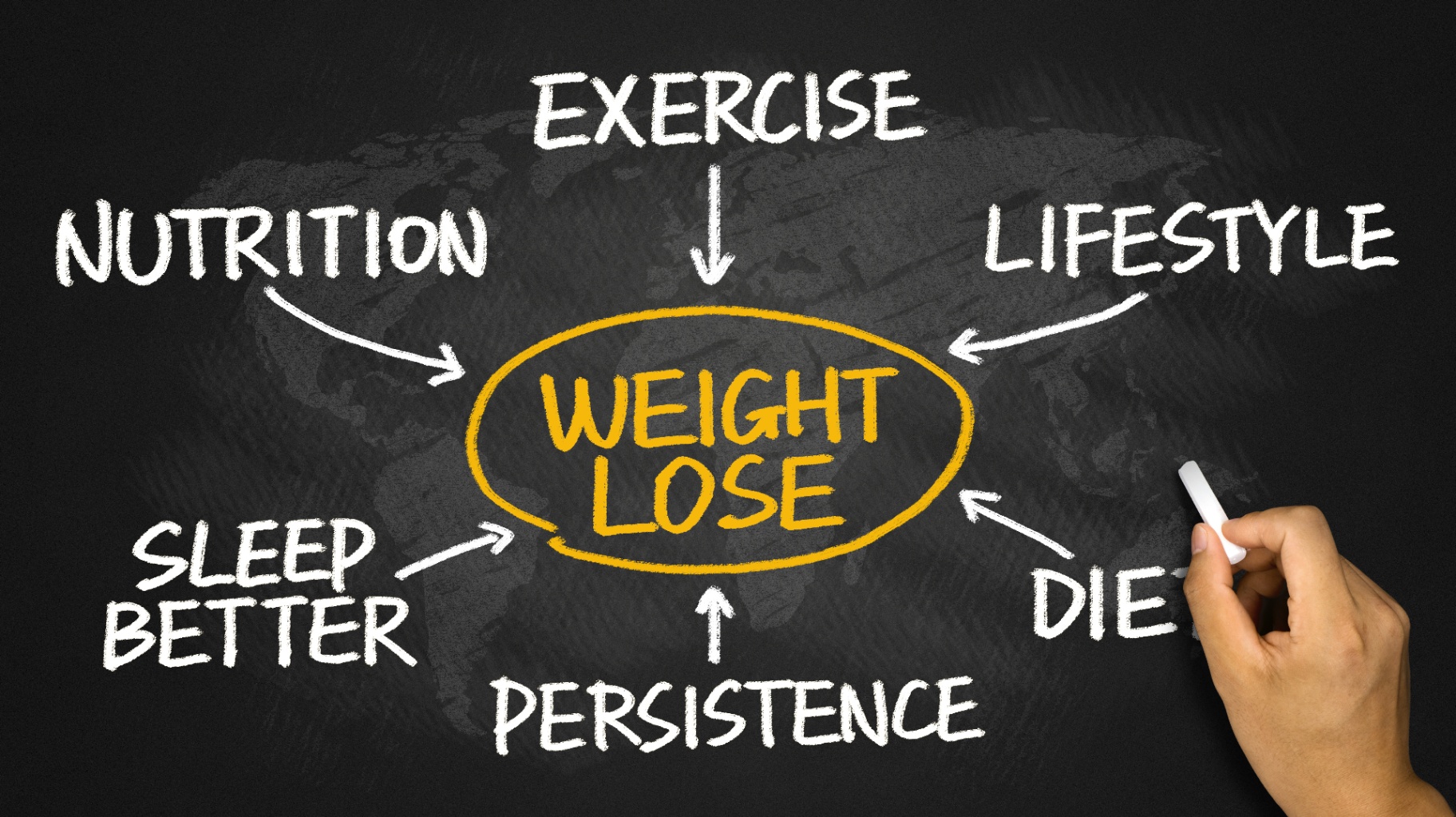
The Power of Professional Guidance and Active Engagement
Here's where medical weight loss programs shine: they provide the framework for active engagement while giving you expert guidance every step of the way. Think of it like having a GPS for your weight loss journey, but you're still the one driving.
Personalized Planning That Actually Works
Cookie-cutter diets fail because they ignore your unique situation. Medical weight loss programs create personalized plans based on your health history, lifestyle, and specific challenges. But here's the key: these plans only work when you actively engage with them.
That means:
- Learning why certain foods work better for your body
- Understanding how medications support (but don't replace) lifestyle changes
- Practicing portion awareness rather than rigid calorie counting
- Developing strategies for your specific eating triggers
The Support System Advantage
Trying to lose weight alone is like trying to learn a new language without a teacher. Sure, some people might succeed, but most will struggle unnecessarily or give up entirely.
Active engagement with professional support looks like:
- Regular check-ins to adjust your plan as needed
- Learning from setbacks instead of being derailed by them
- Getting encouragement when motivation wavers
- Having accountability that goes beyond just stepping on a scale

Self-Monitoring: The Active Approach That Changes Everything
Here's something that might surprise you: people who consistently track their behaviors are significantly more likely to maintain their weight loss long-term. But we're not talking about obsessive calorie counting or stepping on the scale multiple times a day.
Effective self-monitoring means:
- Paying attention to hunger and fullness cues
- Noticing emotional eating patterns
- Tracking energy levels and how different foods affect you
- Celebrating non-scale victories like better sleep or increased energy
This awareness transforms you from a passive participant to an active investigator of your own health patterns. You start making informed decisions rather than just following rules.
When Mindset Meets Medical Expertise
The best part about combining an active mindset with professional medical guidance? You get the benefits of both worlds: evidence-based treatments supported by sustainable behavioral changes.
Medical weight loss programs don't just hand you a prescription and send you on your way. They help you understand how treatments work, what to expect, and how to maximize results through active participation. This education component is crucial because understanding the "why" behind recommendations makes you more likely to follow through consistently.
Real Results Require Real Commitment
Let's be honest: changing your relationship with food and exercise isn't always easy. There will be days when you don't feel motivated. There will be setbacks and plateaus. But here's what active participants understand: these challenges are part of the process, not signs of failure.
Active engagement means preparing for these moments:
- Having strategies ready for difficult situations
- Understanding that progress isn't always linear
- Focusing on building habits rather than perfect performance
- Celebrating small wins along the way

Your Next Steps Toward Active Transformation
Ready to shift from passive hoping to active engagement? Start by asking yourself these questions:
- Am I truly committed to learning new habits, or am I looking for a quick fix?
- Do I see setbacks as failures or as opportunities to adjust my approach?
- Am I willing to work with professionals who can guide me through this process?
- Can I focus on progress rather than perfection?
Remember: lasting weight loss isn't about finding the perfect program: it's about becoming an active participant in your own transformation. When you combine the right mindset with expert medical guidance, you're not just losing weight temporarily. You're building a foundation for lifelong health and vitality.
The choice is yours. You can remain a passenger in your weight loss journey, hoping external solutions will somehow create lasting change. Or you can take the driver's seat, actively engage with proven strategies, and create the transformation you're looking for.
At Bright Medical Wellness, we're here to provide the roadmap and support system. But the most important ingredient? That's something only you can bring: your commitment to being an active participant in your own success story.
Your future self will thank you for making that choice today.