
GLP-1 medications like semaglutide and tirzepatide are game-changers for weight loss and diabetes management. But here's the thing: even the most well-intentioned patients and healthcare providers are making critical dosing errors that can derail results or cause serious side effects.
Want to know the scary part? Some of these mistakes are so common that the FDA has issued specific warnings about them. But don't worry: I'm going to walk you through the seven most frequent GLP-1 dosing errors and show you exactly how to avoid them.
Mistake #1: Starting with the Maximum Dose (The "Go Big or Go Home" Error)
Picture this: You're excited to start your weight loss journey, and your provider prescribes the highest dose of Wegovy (2.4 mg) right out of the gate. Sounds efficient, right?
Wrong. This is one of the biggest mistakes you can make.
When you jump straight to maximum doses, your stomach essentially hits the brakes: hard. We're talking severe nausea, vomiting, and side effects that can land you in the emergency room. Think of GLP-1 medications like training for a marathon. You wouldn't run 26 miles on day one, would you?

How Our Calculator Fixes This: Our GLP-1 dosing calculator automatically starts you at the FDA-approved initial dose and maps out your entire titration schedule. No guesswork, no dangerous shortcuts: just a safe, proven pathway to your target dose.
Mistake #2: Staying Stuck on Starting Doses Forever
Here's the flip side of mistake #1: patients who remain on their initial 0.25 mg or 0.75 mg doses for months without any adjustments, even when they're not hitting their goals.
I've seen patients stay on Trulicity 0.75 mg for nine months with poor blood sugar control, simply because their provider forgot to reassess. That's like trying to water a large garden with a tiny watering can: it's not going to get the job done effectively.
The Reality Check: If you're tolerating your current dose well but not seeing the results you want, it's time to level up. Your body has likely adapted, and you need that next dose increment to keep making progress.
How Our Calculator Fixes This: Our tool tracks your progress and automatically suggests when it's time to increase your dose based on your timeline and tolerance. No more playing the waiting game when you could be making real progress.
Mistake #3: The Compounded Semaglutide Measurement Disaster
This one's genuinely frightening. The FDA has documented cases where patients using compounded semaglutide from vials have accidentally given themselves 5 to 20 times their intended dose.
Here's what's happening: You're told to draw "5 units" from a vial using a U-100 insulin syringe, but you accidentally draw 50 units instead. Suddenly, you're dealing with severe vomiting, dehydration, and a potential emergency room visit.
The math might seem simple, but when you're dealing with different concentrations, unit conversions, and unfamiliar syringes, it's surprisingly easy to make a catastrophic error.
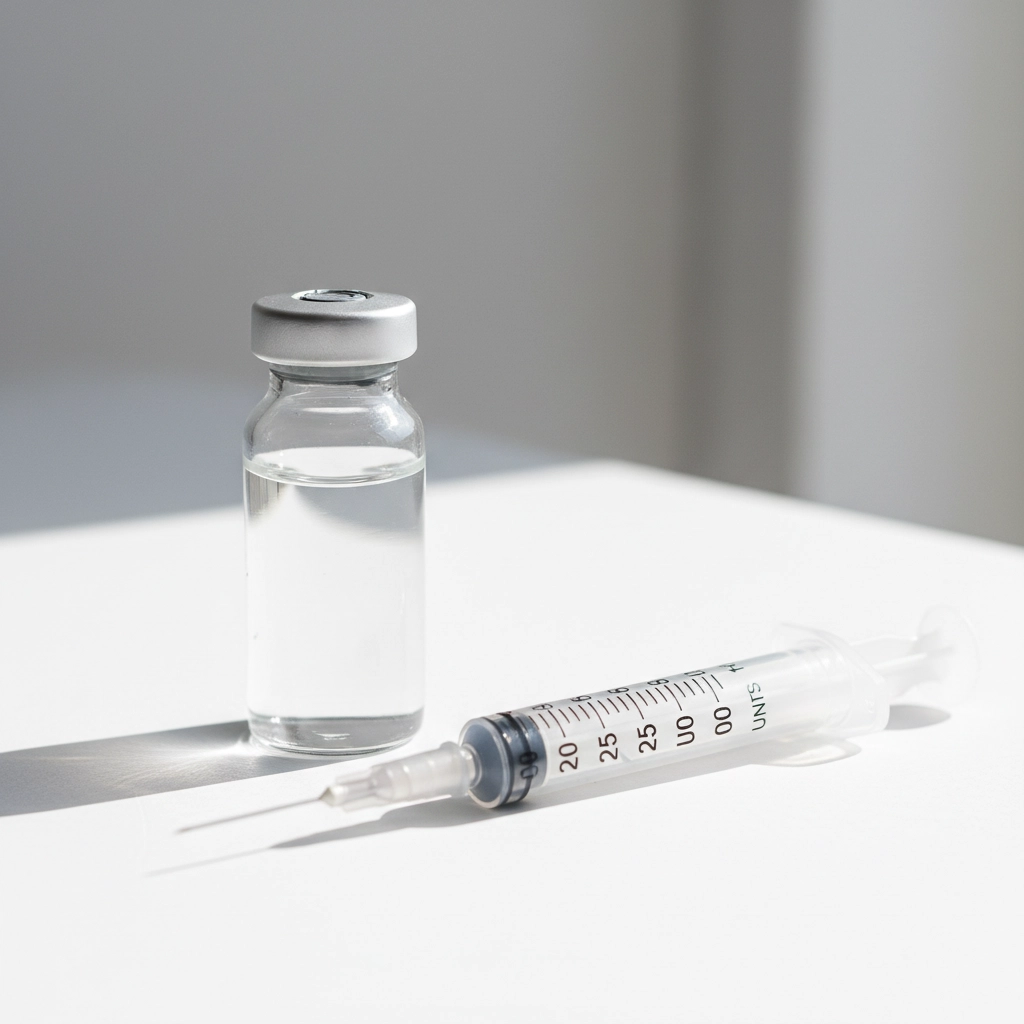
Pro Tip: If you're using compounded versions and aren't 100% confident with syringe measurements, always request pre-filled syringes from your provider.
How Our Calculator Fixes This: Our calculator converts everything into clear, visual measurements and provides step-by-step instructions for different syringe types. We eliminate the guesswork and unit conversion confusion that leads to these dangerous errors.
Mistake #4: Unit Conversion Chaos (When Math Gets Dangerous)
Even healthcare providers are making these errors. I'm talking about mixing up milligrams, units, and milliliters in ways that result in patients receiving 5-10 times their intended dose.
Real examples from FDA reports:
- A provider prescribed 25 units instead of 0.25 mg (which should be 5 units)
- Another prescribed 20 units instead of 2 units
- Even a healthcare provider miscalculated their own dose!
The problem? Different compounding pharmacies use different concentrations, creating a confusing maze of calculations.
How Our Calculator Fixes This: We do all the heavy lifting for you. Input your prescription details, and our calculator automatically handles every conversion, displaying your dose in multiple formats so you can double-check everything.
Mistake #5: The "Skip Day" Trap
Here's what I hear all the time: "I forgot my dose yesterday, so I'll just skip it and get back on track next week."
Stop right there.
Unlike medications you can take "as needed," GLP-1s require consistent dosing to maintain therapeutic levels in your system. Every clinical trial showing amazing weight loss results? Those patients were taking their medications on schedule, every single time.

Missing doses doesn't just slow your progress: it can cause your appetite and cravings to come roaring back, undoing weeks of progress.
How Our Calculator Fixes This: Our system includes built-in reminders and shows you exactly what to do if you miss a dose. We take the guesswork out of getting back on track safely.
Mistake #6: Giving Up at the Plateau (The "It's Not Working" Panic)
Weight loss plateaus are completely normal: in fact, they're expected. But here's what happens: You hit a plateau at month 3, panic, and decide the medication "isn't working anymore."
Let me break this down: Your body is incredibly smart. As you lose weight, it adapts and tries to maintain homeostasis. This doesn't mean failure: it means your body is doing exactly what it's supposed to do.
Before you throw in the towel, remember that plateaus are often followed by another phase of steady weight loss, especially when you work with your healthcare provider to optimize your approach.
How Our Calculator Fixes This: We track your progress patterns and help you understand what's normal versus what might need adjustment. Our system shows you the bigger picture, so temporary plateaus don't derail your entire journey.
Mistake #7: Racing Through Titration Schedules
I get it: you want results fast. But rushing through dose increases is like flooring the gas pedal in a school zone. You're asking for trouble.
The standard Ozempic protocol? Start at 0.25 mg for 4 weeks, then increase to 0.5 mg if needed. Some patients try to jump to 1 mg or 2 mg after just two weeks, thinking faster = better.
Here's what really happens: You amplify side effects, increase your chances of discontinuing treatment, and often end up taking longer to reach your goals because you have to step back and restart.

The Better Approach: Slow and steady wins the race. Those titration schedules exist for a reason: they're based on extensive clinical research showing the safest, most effective pathway to success.
How Our Calculator Fixes This: We lock in the proven titration timeline and won't let you skip ahead. Think of us as your dosing guardrails, keeping you safe while you navigate to your destination.
The Bottom Line: Your Safety Net is Here
Look, GLP-1 medications are incredibly effective when used correctly. But "correctly" is the key word. These aren't supplements you can wing: they're powerful prescription medications that deserve respect and precision.
The best part? You don't have to navigate this alone or rely on guesswork. Our comprehensive dosing calculator eliminates every single mistake I've outlined above.
Want to know what makes me really excited about this? When you use the right dosing approach from day one, you're not just avoiding mistakes: you're setting yourself up for the best possible results with the fewest side effects.
Remember: The goal isn't just to lose weight quickly. It's to lose weight safely, sustainably, and with confidence that you're doing everything right.
Your transformation journey deserves the precision of expert guidance combined with cutting-edge tools. That's exactly what you'll find at Bright Medical Wellness: because your success is too important to leave to chance.